Golden Triangle India Tour: The Perfect Blend of Culture & Architecture
December 3, 2025
Golden Triangle India Tour: The Perfect Blend of Culture & Architecture
Entering the Golden Triangle's World
More than just a route, the Golden Triangle India Tour: The Perfect Blend of Culture & Architecture is a voyage into the core of India's culture, history, inventiveness, and spirit. Stretching across three spectacular cities—Delhi, Agra, and Jaipur—this iconic triangle comprises the most popular tourist circuit in the country, celebrated for its stunning monuments, colorful bazaars, royal traditions, and cosmopolitan flavors. Traveling through these locations is like entering different chapters of India's narrative, with each city enhancing your experience with drama, diversity, and complexity. Whether you are a first-time visitor or a seasoned traveller returning for more, the Golden Triangle remains an enchanting blend of cultural warmth and architectural beauty.
Delhi: A Grand Introduction to India’s Eternal Spirit
Delhi, the starting point of the Golden Triangle India Tour, is a vibrant capital where the ancient and new worlds coexist in peace. The city’s essence is fashioned by layers of history—ancient kingdoms, Mughal empires, colonial influences, and modern ambitions—all standing proudly side by side. From the great boulevards of New Delhi to the small lanes of Chandni Chowk, Delhi is a lively palette filled with architecture, scents, languages, and lifestyles.
A visitor visiting Delhi begins with a sense of amazement. The grandiose Red Fort, erected by Emperor Shah Jahan, stands as a reddish marvel of power and architectural brilliance. The largest mosque in India, Jama Masjid, is located nearby and dominates the skyline with its marble and sandstone arches. In Chandni Chowk, a bustling marketplace where the aroma of kebabs blends with the sweetness of jalebi and the scent of spices wafting from centuries-old shops, the experience intensifies. This is legacy portrayed in sound, color, and flavour.
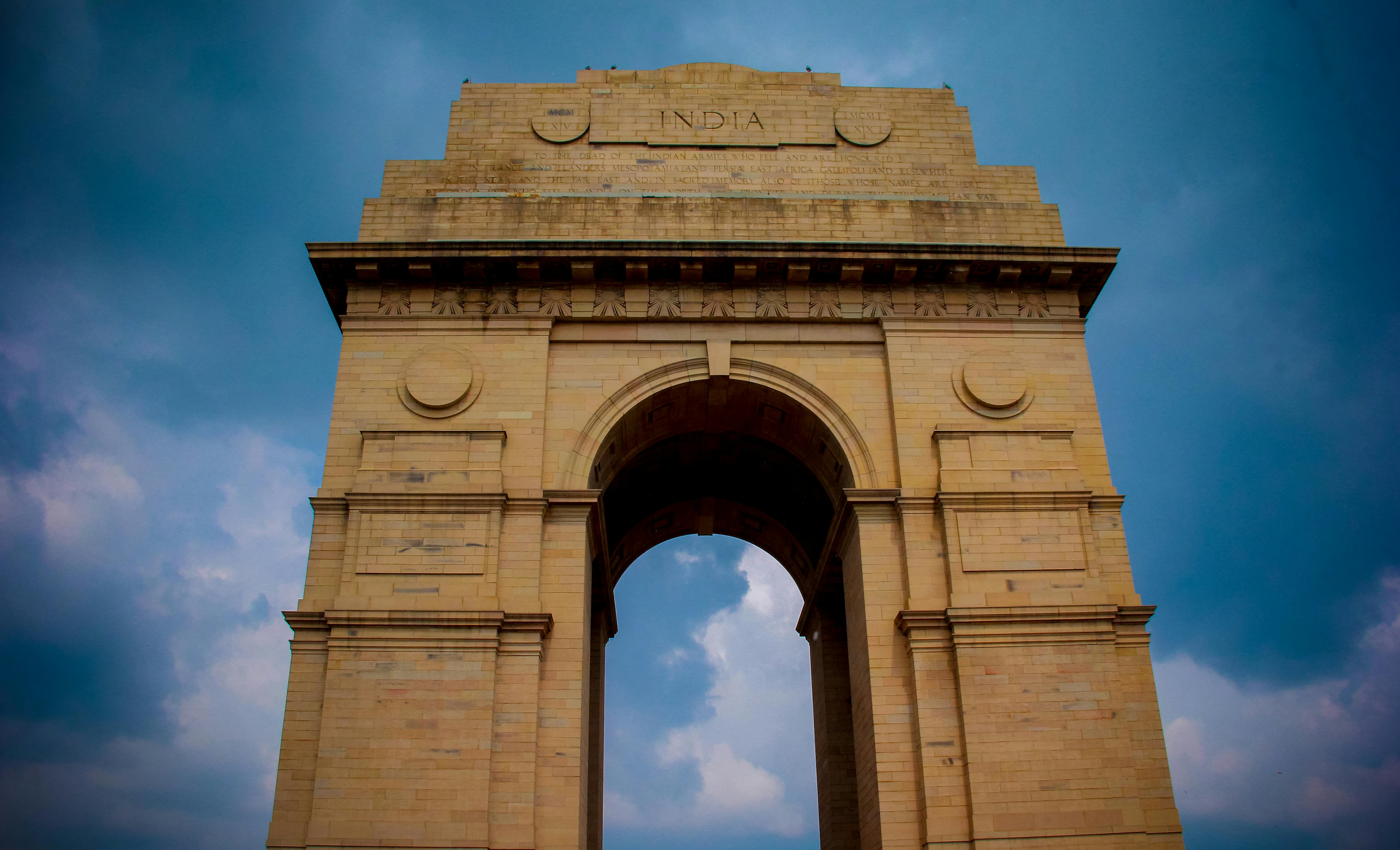
Crossing into New Delhi, tourists find themselves in a new world—a metropolis of broad roads, verdant parks, and magnificent buildings from the British era. Standing tall and respectable, India Gate pays tribute to troops who gave their lives in battle. Rashtrapati Bhavan, the presidential home, features vast lawns created by Sir Edwin Lutyens and colonial-era splendor. Modern sites like Akshardham Temple and Lotus Temple reflect India’s spiritual variety through their contemporary yet ageless architecture.
The Many Flavours of Delhi’s Culture
Delhi itself is a celebration of culture. The city is home to individuals from around India, each contributing to its unique languages, festivals, and cuisines. The rich culinary culture is a feature of the Golden Triangle India Tour—street food aficionados can indulge in Delhi’s famous chole bhature, butter chicken, golgappa, and kebabs. Meanwhile, individuals who prefer performing arts can enjoy classical music, drama, and dance at famous cultural venues.
Delhi’s museums, such as the National Museum and Gandhi Smriti, offer views into India’s past and freedom struggle. The city’s seasonal flower exhibits, book fairs, craft festivals, and winter markets complement the vacation experience, providing guests a real sense of modern Indian culture.
Agra: A City Defined by Love and Architectural Grandeur
The voyage to Agra, the second jewel of the Golden Triangle, brings tourists into the Mughal era—a time when art, architecture, and craftsmanship reached their golden apex. Agra is linked with the Taj Mahal, a marvel that beyond description. Built by Emperor Shah Jahan in remembrance of his beloved wife Mumtaz Mahal, the Taj Mahal is both a symbol of eternal love and a masterpiece of design. Its white marble dome, elaborate carvings, inlaid gemstones, and symmetrical gardens leave tourists entranced.
Sunrise at the Taj Mahal is one of the most magnificent experiences in India. The monument shines in gentle tones of pink, gold, and orange as the first rays of sunshine strike the marble surface. It is a captivating sight that inspires wonder in everyone who sees it.
Beyond the Taj, Agra includes additional architectural jewels such as Agra Fort, a UNESCO World Heritage Site containing vast halls, exquisite mosques, and marble pavilions. Shah Jahan lived out his final years here, seeing the Taj Mahal from a distance. Another jewel, the Tomb of Itimad-ud-Daulah, popularly called the “Baby Taj,” exhibits Persian influences and delicate craftsmanship.
Emperor Akbar's abandoned Mughal capital, Fatehpur Sikri, is located just outside of Agra. This red sandstone city boasts the majestic Buland Darwaza, the huge Jama Masjid, and the tranquil Tomb of Salim Chishti. Its courtyards tell tales of spirituality, royal life, and inventive architecture.
Agra’s Culture and Craftsmanship
Agra is not only a city of monuments but also a vibrant core of traditional Mughal handicraft. The city’s artisans are masters in Pietra Dura—a delicate marble inlay technique originally employed within the Taj Mahal. Watching these artists cut, shape, and inlay tiny semi-precious stones like lapis lazuli, turquoise, and malachite into marble is an extraordinary experience. Their expertise has been handed down through the years, preserving the age-old craft.
Agra's vibrant markets, like Sadar Bazaar and Kinari Bazaar, offer tourists an insight into local culture. These streets are loaded with vibrant handicrafts, leather items, rugs, and traditional jewellery. Agra’s leather industry is world-famous, creating high-quality footwear and bags that travelers love to take home as mementos. The cuisine scene here is as vibrant—especially the famed “Agra ka Petha,” a translucent sweet delight enjoyed by residents and visitors alike.
Another cultural value of Agra is its ties to music and poetry from the Mughal era. The city played a vital role in establishing classical Hindustani music, with musicians of royal courts contributing ragas and compositions that continue to impact India’s artistic history. Every corner of Agra screams tales of grandeur, passion, and creative talent.
Jaipur: The Pink City of Royal Heritage
Jaipur, the capital of Rajasthan and a city steeped in royal beauty, is the last stop on the Golden Triangle India Tour. Nicknamed the Pink City, Jaipur welcomes tourists with warm sandstone structures, stately forts, and lively bazaars that resound with heritage. The active city life, beautiful folk music, and colorful clothing all contribute to the allure of Rajput hospitality as soon as you arrive.
Jaipur’s architectural delights begin with the Amber Fort, a huge edifice sitting on a rocky hill. The ride to the fort, along cobblestone roads and picturesque views, sets the tone for what awaits within. The Sheesh Mahal (Hall of Mirrors) is the highlight—its glittering mirror work glitters even under the light of a single candle. Jaigarh Fort, which has one of the biggest cannons in the world, and Nahargarh Fort, which provides stunning sunset views of the city, are both close by.
Inside Jaipur city, the City Palace merges Mughal and Rajput architecture elegantly. Centuries of royal history are reflected in its gates, museums, and courtyards. The famous Hawa Mahal, a honeycomb-shaped building with hundreds of tiny windows designed to allow royal women to observe street activity covertly, is just a short stroll away.
The astronomical wonder Jantar Mantar, erected by Maharaja Sawai Jai Singh II, exhibits Jaipur’s advanced scientific spirit. Its gigantic equipment were used centuries ago to measure the movement of stars and planets with astonishing accuracy.
The Art and Traditions of Jaipur
Jaipur is a shopping and art enthusiast's dream come true. Its markets—Johari Bazaar, Bapu Bazaar, and Tripolia Bazaar—are famed internationally for jewellery, gemstones, traditional textiles, and handcrafted furnishings. Bandhani (tie-dye), Leheriya, and block-printed fabrics display the creative creativity of Rajasthani craftspeople.
The city is also known for its blue pottery, a stunning art form fashioned from quartz and natural dyes. Each item is hand-painted, making it a unique collectible. Puppet shows, folk dances, and local music performances bring Jaipur’s cultural soul to life, filling nights with celebratory energy.
Food is another highlight—Jaipur’s tastes reflect royal kitchens and desert customs. Gatte ki sabzi, laal maas, kachoris, and dal baati churma provide a delectable exploration of Rajasthan's culinary legacy.
Why the Golden Triangle Feels Magical
The ideal blend of diversity is what makes the Golden Triangle India Tour so exceptional. Every city has a distinct personality; Delhi is vibrant and contemporary, Agra is romantic and creative, and Jaipur is regal and vibrant. Yet all three together provide a cohesive travel experience enriched with culture, architecture, spirituality, and history.
In one journey
The journey takes you through British-era avenues, grand Mughal palaces, and majestic Rajput forts—all in a single circuit. You taste distinct flavors, witness unfolding history, and experience India’s harmonious blend of tradition and modernity. This magical diversity is what makes the Golden Triangle unforgettable.
Architecture That Tells Stories
The architecture across the Golden Triangle reflects India’s layered past. Delhi showcases ancient Hindu temples, Mughal tombs, and elegant colonial buildings. Agra highlights flawless symmetry and Mughal craftsmanship, while Jaipur’s palaces and forts symbolize strength, creativity, and royal pride.
Every dome, wall, arch, and sculpture carries centuries of stories. The coexistence of Persian, Rajput, Hindu, Mughal, and British design aesthetics creates an extraordinary visual journey unlike anything else in the world.
Culture That Connects People
The Golden Triangle is a living example of India’s cultural unity. Delhi’s multicultural energy, Agra’s Mughal heritage, and Jaipur’s Rajput traditions together paint a picture of harmony and shared identity. Each city celebrates festivals, music, art, and cuisine in its own unique style.
From Delhi’s bustling food streets to Jaipur’s folk dance nights and Agra’s classical music legacy, the cultural richness is endless. These experiences make every moment of the journey meaningful and memorable.
A Trip for Each Traveler
The Golden Triangle India Tour offers something special for every traveler—families, honeymooners, solo explorers, photographers, and history lovers. The route is easy to access, the cities are well connected, and the variety of experiences suits all travel styles and budgets.
Luxury seekers can enjoy palace hotels and private tours, while budget travelers find plenty of affordable options. Whether you spend four days or ten, the journey remains rich, rewarding, and unforgettable.
The Golden Triangle India Tour truly is the perfect blend of culture and architecture—a timeless introduction to India’s heritage, beauty, and soul.