How many days are enough for Delhi sightseeing?
June 13, 2026
How Many Days Are Enough for Delhi Sightseeing?
Delhi is one of the most fascinating cities in India, where centuries of history blend seamlessly with modern lifestyles. As the capital city of the country, Delhi offers an incredible mix of Mughal monuments, ancient temples, bustling markets, colonial architecture, vibrant nightlife, and delicious cuisine. Every year, millions of travelers visit the city to experience its rich heritage and cultural diversity. One of the most common questions among visitors is how many days are enough to truly explore Delhi.
The answer depends largely on individual preferences and travel styles. Some tourists are satisfied with a quick overview of the city's major landmarks, while others prefer a slower pace that allows them to immerse themselves in the culture and local experiences. Whether you are a history enthusiast, a food lover, or someone looking to understand the soul of India, planning the right amount of time for your trip can make a significant difference.
Many travelers interested in Delhi sightseeing often discover that the city has far more to offer than they initially expected. From UNESCO World Heritage Sites to hidden gems tucked away in old neighborhoods, Delhi rewards those who take the time to explore its layers.
Why Delhi Deserves More Than a Quick Visit
Delhi is not just another metropolitan city. It has served as the seat of power for numerous empires and dynasties over thousands of years. Every corner of the city tells stories of kings, emperors, saints, and revolutionaries who shaped India's history.
Unlike many destinations where major attractions are concentrated in one area, Delhi is spread across multiple districts. Old Delhi and New Delhi offer completely different atmospheres. While Old Delhi reflects centuries-old traditions and crowded bazaars, New Delhi showcases wide boulevards, modern infrastructure, and colonial architecture.
Visitors planning Delhi sightseeing are often surprised by the contrast between these two worlds. Experiencing both sides of the city provides a deeper understanding of India's cultural diversity.
The city also serves as a gateway to several nearby attractions such as Agra, Jaipur, and Rishikesh. Because of this strategic location, many travelers allocate extra days to explore both Delhi and surrounding destinations.
Is One Day Enough for Delhi?
A single day in Delhi allows travelers to see some of the city's most famous landmarks, but it offers only a brief introduction. With careful planning, visitors can cover attractions like India Gate, Qutub Minar, Humayun's Tomb, Lotus Temple, and Chandni Chowk within a day.
However, traffic congestion and the sheer number of places to visit can make such itineraries feel rushed. Although one day provides a glimpse of the city's beauty, it rarely allows visitors to fully appreciate Delhi's rich culture and history.
For business travelers or those on short layovers, one day may be sufficient. Yet most tourists find themselves wishing they had more time.
Suggested One-Day Highlights
- India Gate
- Humayun's Tomb
- Qutub Minar
- Lotus Temple
- Chandni Chowk
- Jama Masjid
While these sites represent the city's essence, they only scratch the surface of what Delhi has to offer.
Why Two Days Are Better
Two days provide a much more comfortable pace. Instead of rushing from one attraction to another, travelers can spend quality time at each location and enjoy local experiences.
The first day can focus on historical monuments and heritage sites, while the second day can be dedicated to markets, museums, and spiritual attractions. This approach creates a balanced itinerary that combines architecture, food, and culture.
Those interested in Delhi sightseeing often consider two days the minimum duration required to appreciate the city's diversity. It also allows enough flexibility to deal with traffic and unexpected delays.
Day One
Morning
- India Gate
- Rashtrapati Bhavan
- Humayun's Tomb
Afternoon
- Qutub Minar
- Lotus Temple
Evening
- Connaught Place
Day Two
Morning
- Red Fort
- Jama Masjid
Afternoon
- Chandni Chowk
- Raj Ghat
Evening
- Akshardham Temple
This itinerary provides a satisfying introduction to Delhi's major attractions.
Three Days Offer the Perfect Balance
For most travelers, three days are ideal. This duration allows visitors to combine sightseeing with relaxation and cultural experiences. Instead of merely checking landmarks off a list, travelers can truly absorb the city's atmosphere.
Three days also provide opportunities to explore less crowded attractions and hidden gems that many tourists miss.
People planning Delhi sightseeing frequently find that three days strike the perfect balance between efficiency and immersion. The city becomes much more enjoyable when explored at a leisurely pace.
Day One: Historical Delhi
- Red Fort
- Jama Masjid
- Chandni Chowk
- Raj Ghat
This day reveals the soul of Old Delhi and offers authentic experiences through food and local markets.
Day Two: New Delhi Attractions
- India Gate
- Humayun's Tomb
- Qutub Minar
- Lotus Temple
- Lodhi Garden
These sites showcase the grandeur of Mughal and colonial architecture.
Day Three: Culture and Modern Delhi
- Akshardham Temple
- National Museum
- Dilli Haat
- Hauz Khas Village
- Connaught Place
This combination introduces travelers to Delhi's contemporary lifestyle and artistic culture.
Four to Five Days for Deep Exploration
Travelers who love history and culture often spend four or five days in Delhi. This duration allows enough time to explore museums, gardens, local neighborhoods, and nearby destinations.
- Safdarjung Tomb
- Agrasen Ki Baoli
- National Rail Museum
- Purana Qila
- Garden of Five Senses
- Bangla Sahib Gurudwara
With extra days, visitors can also take food tours and heritage walks. Such experiences reveal stories and traditions that ordinary sightseeing cannot provide.
Many seasoned travelers interested in Delhi sightseeing recommend spending at least four days if you want a more authentic and comprehensive experience.
Exploring Old Delhi
Old Delhi is often described as the heart and soul of the city. Founded by Emperor Shah Jahan in the seventeenth century, it remains one of the most vibrant and chaotic parts of India.
Walking through Chandni Chowk feels like entering another era. Rickshaws navigate narrow lanes while street vendors sell spices, sweets, and textiles. The aroma of freshly prepared kebabs and parathas fills the air.
- Red Fort
- Jama Masjid
- Chandni Chowk
- Fatehpuri Mosque
Food lovers particularly enjoy this area because it offers some of the best culinary experiences in India.
Discovering New Delhi
New Delhi contrasts sharply with Old Delhi. Wide roads, government buildings, and modern infrastructure characterize this section of the city.
- India Gate
- Rashtrapati Bhavan
- Humayun's Tomb
- Lodhi Garden
- National Museum
Visitors interested in architecture often appreciate New Delhi's blend of Mughal and British colonial influences.
People engaged in Delhi sightseeing frequently remark on how dramatically different these two areas feel despite being part of the same city.
Spiritual Places Worth Visiting
Akshardham Temple
Known for its intricate carvings and spiritual atmosphere, Akshardham attracts millions of visitors annually.
Lotus Temple
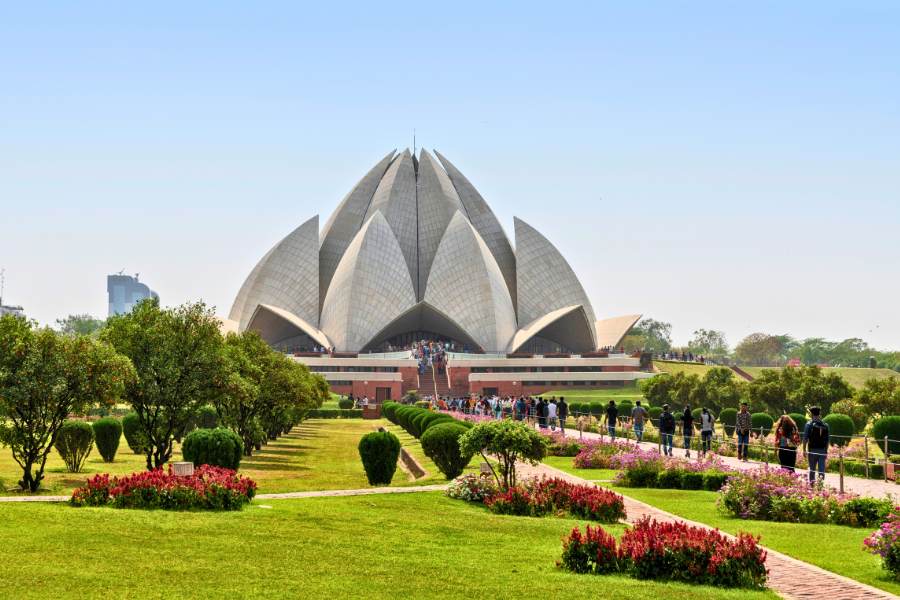
This Bahá'í House of Worship welcomes people from all religions and offers a peaceful environment for meditation.
Bangla Sahib Gurudwara
One of Delhi's most important Sikh shrines, Bangla Sahib is famous for its hospitality and community kitchen.
Jama Masjid
Built by Shah Jahan, this magnificent mosque is among the largest in India.
Markets and Shopping Experiences
Chandni Chowk
Ideal for spices, fabrics, and street food.
Janpath Market
Popular for handicrafts and souvenirs.
Sarojini Nagar
Perfect for bargain hunters seeking fashionable clothing.
Khan Market
One of India's most upscale shopping districts.
Dilli Haat
A cultural marketplace featuring handicrafts and cuisines from different states.
Travelers often combine shopping with Delhi sightseeing, creating memorable experiences that go beyond monuments.
Best Time to Visit Delhi
| Season | Temperature | Travel Experience |
|---|---|---|
| October-March | 10°C-25°C | Excellent |
| April-June | 30°C-45°C | Very Hot |
| July-September | 25°C-35°C | Monsoon |
Transportation Around Delhi
Metro
The Delhi Metro is fast, affordable, and efficient.
Taxis
App-based services like Uber and Ola are widely available.
Auto Rickshaws
Suitable for short distances and local experiences.
Private Cars
Comfortable and ideal for families or groups.
Efficient transportation makes Delhi sightseeing relatively easy despite the city's size.
Food Experiences in Delhi
- Butter Chicken
- Chole Bhature
- Parathas
- Kebabs
- Jalebi
- Chaat
Famous food destinations include Chandni Chowk, Karim's, Connaught Place, and Pandara Road.
Suggested Duration Comparison
| Number of Days | Experience Level |
|---|---|
| 1 Day | Quick Overview |
| 2 Days | Major Attractions |
| 3 Days | Ideal Experience |
| 4-5 Days | Deep Exploration |
| 6-7 Days | Comprehensive Journey |
Why Three Days Are Usually Recommended
Three days provide enough time to explore historical monuments, enjoy local cuisine, shop in traditional markets, and experience Delhi's vibrant culture.
Unlike shorter trips, three days allow travelers to appreciate the city's contrasts and diversity without feeling rushed. This duration also accommodates unexpected delays and spontaneous discoveries.
Many travel experts believe that Delhi sightseeing becomes much more rewarding when visitors slow down and allow themselves time to absorb the city's atmosphere.
Conclusion
The ideal number of days for exploring Delhi depends on your interests and schedule. While one day offers a brief glimpse, two days provide a more balanced experience. Three days are considered perfect for most travelers, allowing enough time to discover the city's historical landmarks, cultural attractions, markets, and culinary delights.
Those with a passion for history and local experiences may choose to spend four or five days exploring hidden gems and lesser-known attractions. Regardless of how long you stay, Delhi promises unforgettable memories and a deeper understanding of India's rich heritage.
Its remarkable blend of ancient traditions and modern life makes the city one of the most captivating destinations in the world.
Frequently Asked Questions
1. Is two days enough for Delhi?
Yes, two days are enough to visit major attractions, although three days provide a more relaxed experience.
2. How many days are ideal for Delhi sightseeing?
Three days are generally considered ideal for most travelers.
3. What is the best season to visit Delhi?
October to March offers pleasant weather and comfortable sightseeing conditions.
4. Can I explore Old Delhi and New Delhi in one trip?
Yes, both areas can be covered in two or three days.
5. Is Delhi suitable for first-time visitors to India?
Absolutely. Delhi offers history, culture, food, and modern amenities, making it an excellent introduction to India.