How to plan a trip to India for Foreigners
February 7, 2026
Planning Your First Trip to India: A Complete Travel Guide
Planning your first trip to India might feel overwhelming, but with the right preparation, you’ll quickly understand why millions of travelers fall in love with this incredible country each year. From Rajasthan’s majestic forts to the vibrant streets of Delhi, India offers life-changing travel experiences.
Understanding India’s Visa Requirements
Before starting your journey to India, you must obtain the appropriate visa. Most foreign nationals require a valid visa, and the process has become easier with the introduction of the e-Visa system.
E-Visa Options for International Travelers
India offers five main e-Visa categories:
- e-Tourist Visa (30 days, 1 year, or 5 years)
- e-Business Visa
- e-Medical Visa
- e-Medical Attendant Visa
- e-Conference Visa
The e-Tourist visa is the most popular choice and can be applied for online. It is available to citizens of over 160 countries.
Best Time to Visit India
India has three primary seasons:
- Winter (October–March): Ideal weather for sightseeing, especially in North India and Rajasthan.
- Summer (April–June): Best for hill stations like Shimla and Manali.
- Monsoon (July–September): Lush greenery in Kerala and Western Ghats.
Winter is peak tourist season, so early bookings are recommended.
Choosing Your Destination
The Golden Triangle
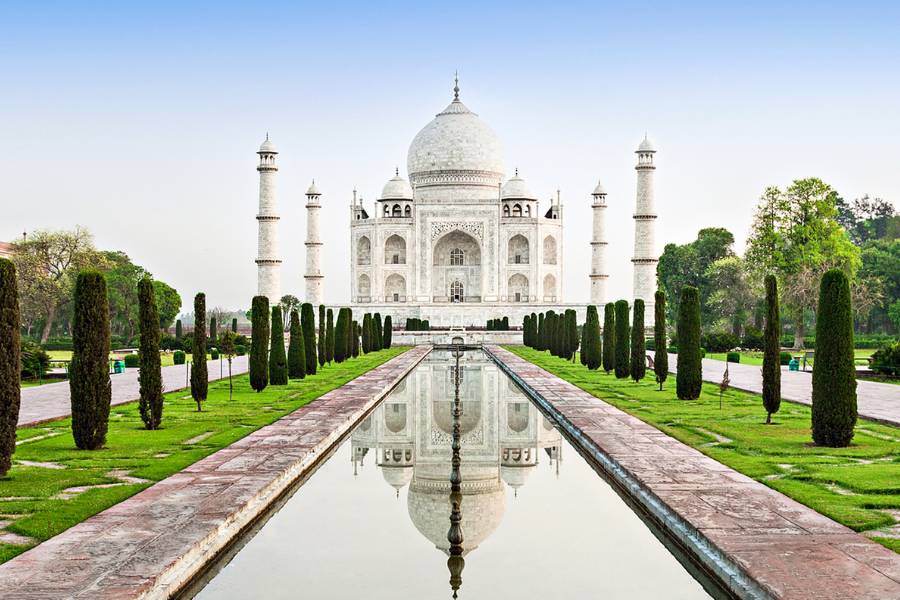
The Golden Triangle (Delhi, Agra, Jaipur) is a classic introduction to India’s cultural heritage, featuring Mughal and Rajput architecture, including the iconic Taj Mahal.
Rajasthan – The Land of Kings
Rajasthan captivates visitors with grand forts, palaces, colorful markets, and rich traditions. Cities like Jaipur, Udaipur, and Jodhpur highlight royal history and architectural splendor.
Other Incredible Destinations in India
- Kerala’s backwaters and spice plantations
- Goa’s beaches and Portuguese heritage
- Himachal Pradesh’s mountain landscapes
- Kolkata’s cultural vibrancy
Transportation Options in India
Domestic Flights
Flying is the fastest way to travel long distances across India. Major cities are well connected, and early bookings offer better prices.
Train Travel
India’s railway network is one of the largest in the world. Options range from luxury trains to budget-friendly sleeper classes.
Private Transportation
Hiring a private car with a professional driver offers flexibility and comfort, especially when exploring Rajasthan or rural areas.
Accommodation Options
India offers accommodations for every budget:
- Luxury palace hotels in Rajasthan
- Boutique heritage properties
- Mid-range hotels with modern amenities
- Budget guesthouses and hostels
Heritage hotels provide unique stays inside restored palaces and forts, blending history with modern luxury.
Cultural Preparation
Understanding cultural traditions enhances your experience in India. Dress modestly in religious places, remove shoes before entering temples, and learn basic greetings.
Indian cuisine varies by region. North Indian dishes feature wheat and dairy, while South Indian cuisine emphasizes rice and coconut. Be cautious with street food vendors.
Health and Safety Tips
- Consult a travel doctor 4–6 weeks before departure
- Common vaccines: Hepatitis A & B, Typhoid
- Consider malaria precautions if required
- Carry travel insurance
- Keep emergency contacts accessible
Budgeting for Your Trip
Travel costs in India vary based on travel style:
- Budget travelers: ₹1,000–2,000 per day
- Mid-range travelers: ₹3,000–6,000 per day
- Luxury travel: ₹10,000+ per day
Keep extra funds for shopping, tipping, and unexpected experiences.
Packing Essentials
Clothing
- Light, breathable fabrics
- Modest attire for religious sites
- Comfortable walking shoes
- Warm layers for cooler regions
Health Supplies
- Prescription medicines
- Hand sanitizer
- Insect repellent
- Sunscreen
Technology
- Universal adapter
- Portable charger
- Offline maps
- Camera equipment
Staying Connected
Mobile coverage in India is strong in urban and tourist areas. Purchasing a local SIM card provides affordable data and calling options. Wi-Fi is widely available in major cities.
Conclusion: Your Journey to India Awaits
With thoughtful preparation, your adventure in India will be unforgettable. From historic landmarks to spiritual retreats and culinary discoveries, the country offers endless opportunities for exploration.
Start planning today, secure your visa, and prepare for a transformative journey filled with culture, color, and unforgettable memories.
Frequently Asked Questions
How far in advance should I plan?
Plan at least 2–3 months ahead for visa processing, vaccinations, and accommodation bookings.
Is India safe for solo female travelers?
Yes, with precautions. Choose reputable accommodations, dress modestly, and use reliable transport.
What is the best way to exchange money?
ATMs offer competitive rates and are widely available. Carry small emergency foreign currency.
Should I tip in India?
Tipping is appreciated but optional. 10% in restaurants and small tips for service providers are standard.
Can I drink tap water?
No. Drink bottled or purified water and avoid ice cubes to stay safe.