India travel tips for first timers
March 21, 2026
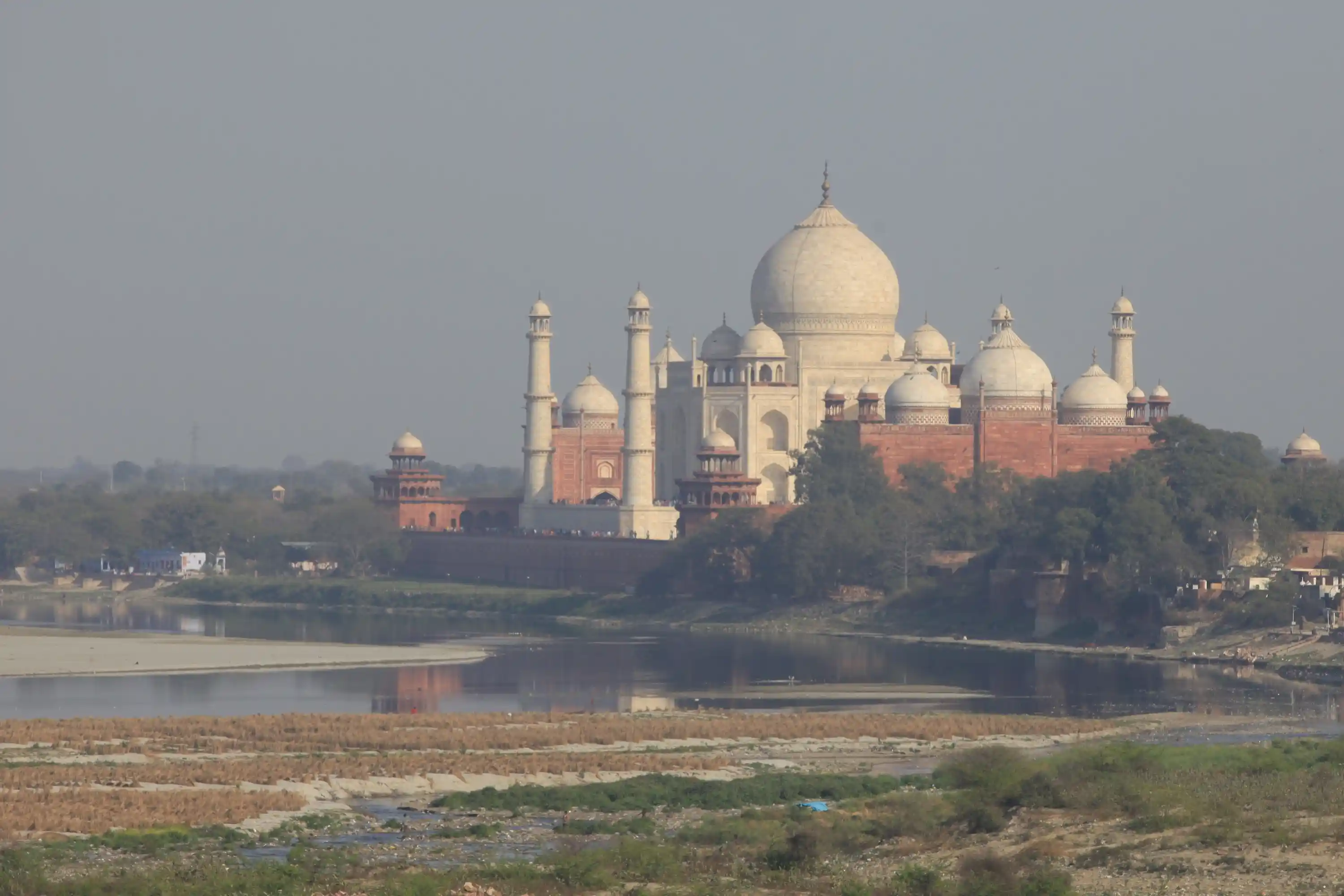
India Travel Tips for First Timers: The Ultimate Beginner’s Guide
Understanding India Before You Travel
Traveling to India for the first time is like stepping into a completely different world—vibrant, chaotic, beautiful, and sometimes overwhelming all at once. If you’ve never experienced it before, you might feel unsure about what to expect. That’s exactly why having the right India travel tips for first timers can make a huge difference in how smoothly your trip goes.
India is not just one destination—it’s a collection of cultures, languages, cuisines, and landscapes packed into a single country. You could be exploring snowy mountains in the north, relaxing on beaches in the south, or wandering through deserts in the west—all within one trip. This diversity is what makes India so special, but it also means you need to plan carefully.
One of the biggest mindset shifts you’ll need is embracing unpredictability. Things might not always go as planned—trains can be delayed, traffic can be intense, and schedules may change. But that’s part of the charm. Instead of resisting it, lean into the experience and trust your journey.
Visa, Documents, and Entry Requirements
Before you even pack your bags, getting your paperwork sorted is crucial. Most travelers can apply for an Indian e-visa online, which is one of the easiest ways to enter the country. The process is simple, but applying early is recommended.
Make sure your passport is valid for at least six months and has blank pages. Carry printed copies of your documents as backup. Among the most important India travel tips for first timers is to keep multiple copies of your ID stored separately.
Travel insurance is also a smart addition. While not mandatory, it provides peace of mind during unexpected situations.
Best Time to Visit India
India’s climate varies significantly, so timing your visit is essential. The best time is generally from October to March when the weather is pleasant and suitable for sightseeing.
Summer months can be extremely hot, while monsoon season brings heavy rainfall. However, hill stations and lush green landscapes during monsoon offer unique experiences. Including seasonal planning in your India travel tips for first timers checklist is highly recommended.
Festivals like Diwali and Holi provide an unforgettable cultural experience and are worth planning your trip around.
What to Pack for Your First Trip to India
Packing smartly is key. Lightweight, breathable clothing is essential, especially in warmer months. Cotton fabrics work best to keep you comfortable.
Dress modestly, especially in temples and rural areas. A scarf or shawl is versatile and useful in many situations. Essentials like sunscreen, sanitizer, and a reusable water bottle are must-haves.
Comfortable footwear is equally important as you will be walking a lot during your travels.
Navigating Transportation in India
Transportation in India can seem overwhelming at first, but it becomes easier once you understand the system. Trains are widely used for long-distance travel and should be booked in advance.
Ride-hailing apps like Uber and Ola are convenient options in cities. Auto-rickshaws are common but require fare negotiation beforehand. Domestic flights are ideal for saving time across long distances.
Including transportation planning in your India travel tips for first timers list ensures a smoother journey.
Food and Water Safety
Indian cuisine is diverse and flavorful, but first-time travelers should be cautious. Choose busy and hygienic food vendors when trying street food.
Always drink bottled or filtered water and avoid ice unless you are sure of its source. Gradually adapt to spicy food to avoid discomfort.
Following these India travel tips for first timers helps you enjoy the food safely and confidently.
Cultural Etiquette and Local Customs
Respecting local customs enhances your travel experience. A simple “Namaste” greeting is appreciated. Modest dressing and removing shoes before entering temples are common practices.
Public displays of affection are generally avoided, and respecting traditions goes a long way in building positive interactions with locals.
Understanding etiquette is a crucial part of experiencing India authentically.
Staying Safe in India
India is generally safe for travelers, but basic precautions are necessary. Stay in well-lit areas, avoid isolated places, and keep belongings secure.
Solo travelers should use trusted transportation and accommodations. Sharing your itinerary with someone is always a good idea.
Trust your instincts and stay alert to ensure a safe journey.
Managing Money and Budgeting
India is an affordable destination, but managing your money wisely is important. Cash is still widely used, especially in local markets.
ATMs are easily available in cities, and cards are accepted in many places. Bargaining is part of the culture and can help you get better deals.
Budget planning ensures a stress-free travel experience.
Internet, SIM Cards, and Connectivity
Staying connected in India is easy with affordable SIM cards available at airports and stores. Mobile data is reliable in most regions.
Wi-Fi is available in hotels and cafes, but having your own data ensures convenience for navigation and communication.
Connectivity is an essential part of modern travel and helps you stay organized throughout your journey.
Conclusion
Traveling to India for the first time is an unforgettable experience filled with culture, diversity, and adventure. With proper planning and awareness, your journey can be smooth and enriching.
Following practical India travel tips for first timers allows you to navigate confidently and enjoy every moment. From food to transportation and cultural understanding, each step enhances your experience.
India is not just a destination—it’s a life-changing journey that leaves a lasting impression on every traveler.