Is Golden Triangle Tour Worth It?
July 14, 2026
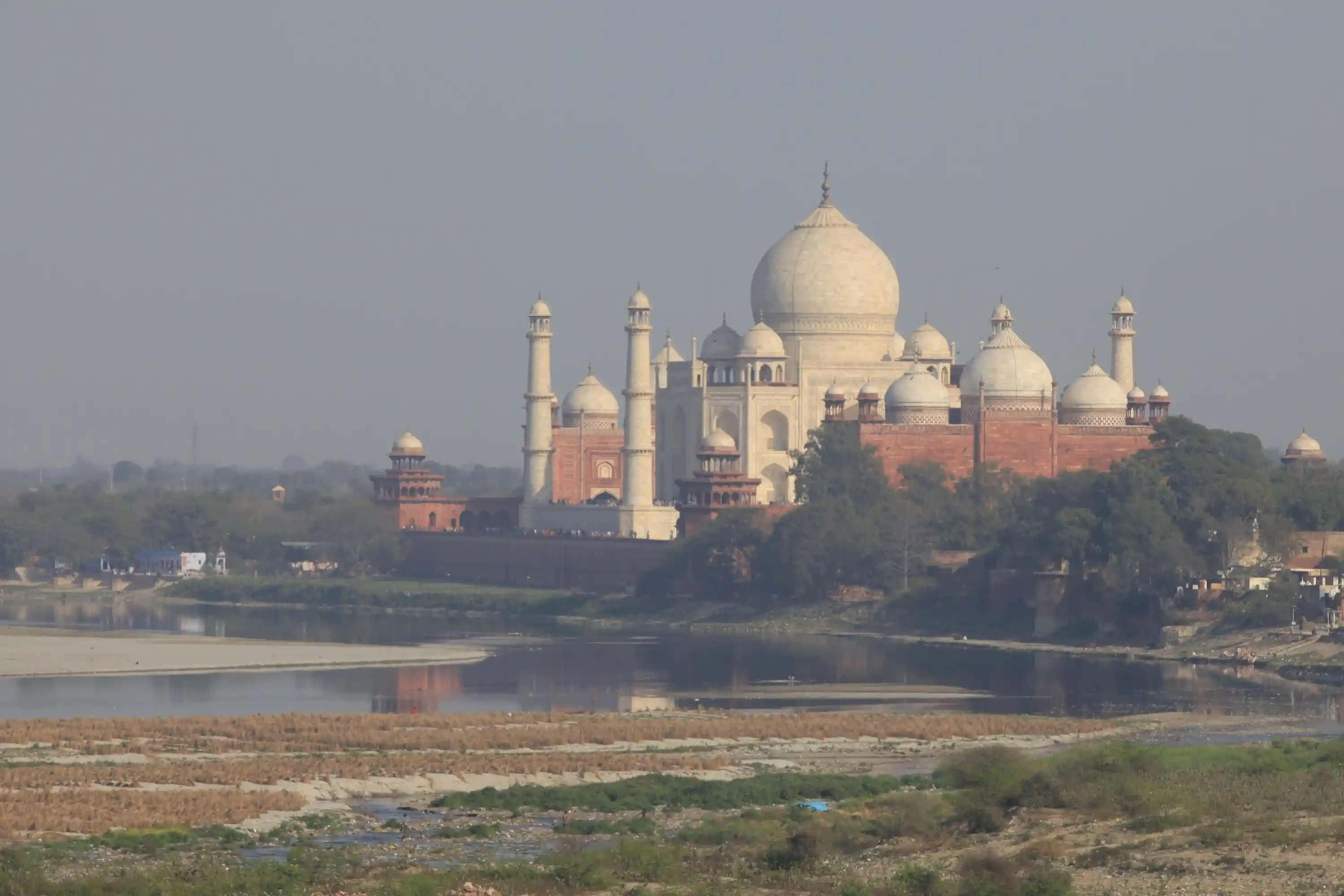
Is Golden Triangle Tour Worth It? A Complete Guide for First-Time India Travelers
If you're planning your first visit to India, one itinerary consistently stands out above the rest—the Golden Triangle Tour. Covering Delhi, Agra, and Jaipur, this iconic travel circuit offers a fascinating introduction to India's rich heritage, architectural wonders, colorful culture, and diverse cuisine. But is it really worth choosing over India's countless other destinations?
The answer is yes for most travelers. Whether you're a history enthusiast, a photography lover, a cultural explorer, or simply someone looking for an unforgettable vacation, this route delivers an incredible variety of experiences within a relatively short period. From standing before the majestic Taj Mahal at sunrise to wandering through Jaipur's royal palaces and exploring the vibrant streets of Delhi, every day brings something new. This guide explains why millions of international travelers choose this itinerary each year and whether it deserves a place on your travel bucket list.
What Is the Golden Triangle Tour?
The Golden Triangle Tour is India's most famous travel circuit, connecting three historically significant cities: Delhi, Agra, and Jaipur. The route forms a triangle on the map, with each city approximately 200 to 280 kilometers apart, making travel convenient by road, rail, or domestic flights.
Delhi introduces visitors to India's fascinating blend of ancient traditions and modern development. Here, you'll discover centuries-old monuments, bustling markets, religious landmarks, and contemporary neighborhoods existing side by side. Agra is home to the world-famous Taj Mahal, a UNESCO World Heritage Site that symbolizes eternal love and attracts millions of visitors every year. Jaipur, known as the Pink City, completes the journey with magnificent forts, royal palaces, colorful bazaars, and authentic Rajasthani culture.
This carefully balanced itinerary provides travelers with a comprehensive introduction to India's diverse history, architecture, traditions, and hospitality without requiring extensive domestic travel. It is one of the reasons why tour operators worldwide recommend it as the ideal first-time India experience.
Why Is the Golden Triangle Tour So Popular?
There is a reason this itinerary has remained India's most booked tourist route for decades. It combines convenience with extraordinary cultural experiences while showcasing some of the country's most recognizable landmarks.
One of its greatest advantages is accessibility. International travelers can easily arrive in Delhi, begin their journey immediately, and complete the circuit within six to eight days. The roads between the cities have improved significantly over the years, making travel smoother and more comfortable than ever before.
Another major attraction is the incredible diversity found within a relatively compact area. In just one week, visitors experience Mughal architecture, Rajput heritage, colonial history, vibrant street markets, traditional cuisine, UNESCO World Heritage Sites, luxury heritage hotels, and authentic cultural performances. Few travel itineraries anywhere in the world offer such variety in such a short timeframe.
The route also caters to different travel styles. Luxury travelers can stay in palace hotels and enjoy private guided tours, while budget travelers can explore the same destinations affordably using trains and local accommodations.
Delhi: Where India's Past Meets the Present
Delhi is much more than India's capital city. It is a living museum where every neighborhood tells a different story spanning more than a thousand years.
Old Delhi immerses visitors in narrow streets filled with aromatic spices, traditional sweet shops, historic mosques, and lively markets. Walking through Chandni Chowk is an unforgettable sensory experience where every corner reveals something unexpected. Rickshaws weave through busy lanes while local vendors prepare authentic North Indian delicacies that have remained unchanged for generations.
New Delhi offers an entirely different atmosphere with broad avenues, impressive government buildings, luxurious hotels, and carefully landscaped gardens. Iconic attractions such as India Gate, Humayun's Tomb, Qutub Minar, and Lotus Temple showcase different periods of India's architectural evolution.
Delhi also serves as an excellent introduction to Indian cuisine. Whether you're sampling butter chicken, kebabs, chaat, or stuffed parathas, the city provides countless culinary experiences that satisfy every palate.
Agra: Home of the Magnificent Taj Mahal
No journey through India feels complete without witnessing the breathtaking beauty of the Taj Mahal. Built by Emperor Shah Jahan in memory of his beloved wife Mumtaz Mahal, this white marble masterpiece continues to captivate visitors from around the globe.
The monument changes its appearance throughout the day as sunlight reflects differently across its marble surface. Sunrise remains the most magical time to visit, when fewer crowds and soft golden light create unforgettable photography opportunities.
Agra offers much more than the Taj Mahal. Agra Fort provides insight into the powerful Mughal Empire with impressive palaces, audience halls, and defensive walls overlooking the Yamuna River. Nearby, the abandoned city of Fatehpur Sikri stands as another remarkable UNESCO World Heritage Site showcasing stunning Mughal architecture.
Local artisans continue centuries-old traditions of marble inlay work, leather craftsmanship, and carpet weaving, allowing visitors to purchase authentic souvenirs while supporting traditional craftsmanship.
Jaipur: The Royal Jewel of Rajasthan
Jaipur offers an entirely different perspective on India's cultural heritage. Nicknamed the Pink City because of its distinctive rose-colored buildings, Jaipur was once the capital of powerful Rajput rulers whose legacy remains visible throughout the city.
Amber Fort stands majestically on a hillside overlooking Maota Lake. Its grand courtyards, intricate mirror work, beautifully painted halls, and panoramic views transport visitors back to the era of kings and queens. City Palace remains partly occupied by Jaipur's royal family while opening significant sections to tourists interested in royal history.
The Hawa Mahal, with its famous honeycomb façade featuring hundreds of small windows, remains one of India's most photographed buildings. Nearby, Jantar Mantar demonstrates India's remarkable achievements in astronomy through enormous stone instruments still capable of accurate observations.
Jaipur's bustling markets add another layer to the experience. Visitors can browse handcrafted jewelry, colorful textiles, leather goods, block-printed fabrics, gemstones, and traditional handicrafts while interacting with local artisans whose skills have been passed down for generations.
Is the Golden Triangle Tour Worth It for First-Time Visitors?
For first-time visitors, the answer is almost certainly yes. Few itineraries provide such a complete introduction to India's diversity while remaining manageable in terms of distance and travel time.
Instead of spending valuable vacation days navigating unfamiliar transportation systems across distant regions, travelers can focus on experiencing the country's cultural richness. Each destination complements the others beautifully, creating a balanced journey that combines history, architecture, cuisine, shopping, spirituality, and local traditions.
The itinerary also offers flexibility. Travelers can customize their trip by adding destinations such as Ranthambore National Park for tiger safaris, Udaipur for romantic lakeside scenery, Varanasi for spiritual experiences, or Pushkar for cultural festivals. If you're planning your first Golden Triangle Tour, extending the itinerary can make your Indian adventure even more memorable.
Best Time to Experience the Golden Triangle Tour
Weather plays a major role in determining the quality of your journey. The ideal period runs from October through March when temperatures remain comfortable for sightseeing and outdoor activities.
Winter months provide pleasant daytime conditions, making it easier to explore forts, palaces, monuments, and local markets without excessive heat. The skies are generally clear, creating excellent photography conditions, especially at sunrise and sunset.
Summer, from April through June, can become extremely hot, particularly in Rajasthan, with temperatures often exceeding 40°C. While hotels may offer attractive discounts during this period, extended sightseeing can become challenging.
The monsoon season between July and September transforms landscapes into lush greenery while reducing tourist crowds. Occasional rain showers may interrupt sightseeing, but many travelers appreciate the quieter atmosphere and lower accommodation prices.
Who Should Choose This Tour?
The itinerary appeals to a remarkably wide range of travelers. Couples appreciate the romantic atmosphere surrounding the Taj Mahal and Jaipur's heritage hotels. Families enjoy educational experiences that combine history with engaging cultural activities. Solo travelers find the route relatively easy to navigate, while photography enthusiasts discover endless opportunities for capturing magnificent architecture and colorful street life.
Luxury travelers can indulge in palace hotels, private chauffeurs, and exclusive cultural experiences. Budget-conscious visitors can complete the same route using affordable hotels, trains, and shared transportation without sacrificing the essential attractions.
Whether your interests lie in history, architecture, food, shopping, photography, or cultural immersion, choosing a Golden Triangle Tour provides something memorable every single day.
Travel Tips for an Amazing Experience
Planning ahead significantly improves your journey. Booking monument tickets online can save valuable time, especially at popular attractions like the Taj Mahal. Hiring knowledgeable local guides enhances your understanding of India's fascinating history and architecture.
Comfortable walking shoes are essential because many historical sites involve extensive walking across uneven surfaces. Modest clothing is recommended when visiting religious places, while sunscreen, sunglasses, and reusable water bottles help you remain comfortable during daytime exploration.
Trying authentic regional cuisine is highly recommended, but choosing clean, reputable restaurants helps avoid unnecessary health issues during your trip. Booking a professionally organized Golden Triangle Tour can also simplify transportation, accommodation, and sightseeing arrangements.
Conclusion
The Golden Triangle Tour remains India's most famous travel itinerary for good reason. It combines convenience, history, culture, architecture, cuisine, shopping, and unforgettable experiences into one well-balanced journey. For travelers seeking a meaningful introduction to India without feeling overwhelmed, few itineraries offer greater value.
From exploring the vibrant streets of Delhi and admiring the timeless beauty of the Taj Mahal in Agra to discovering Jaipur's royal heritage, every destination contributes something unique to the overall experience. Whether you have one week or ten days available, this journey provides memories that last a lifetime.
If you're still wondering whether the Golden Triangle Tour is worth it, the overwhelming answer from millions of satisfied travelers is simple—it absolutely is.
Frequently Asked Questions
1. How many days are ideal for the Golden Triangle Tour?
A 6 to 8-day itinerary is ideal, allowing enough time to explore Delhi, Agra, and Jaipur comfortably without rushing.
2. Is the Golden Triangle Tour suitable for families?
Yes. Families enjoy its mix of historical landmarks, cultural experiences, shopping, and comfortable travel distances between cities.
3. What is the best month to visit?
October through March offers the most pleasant weather for sightseeing and outdoor activities.
4. Can I customize the itinerary?
Absolutely. Many travelers extend the trip by adding Ranthambore National Park, Udaipur, Pushkar, Varanasi, or Jodhpur.
5. Is hiring a private driver recommended?
Yes. A private driver provides flexibility, comfort, and convenience, especially for first-time visitors unfamiliar with Indian roads and transportation.