Is Ranthambore Tour Worth It for Tiger Sightings?
July 24, 2026
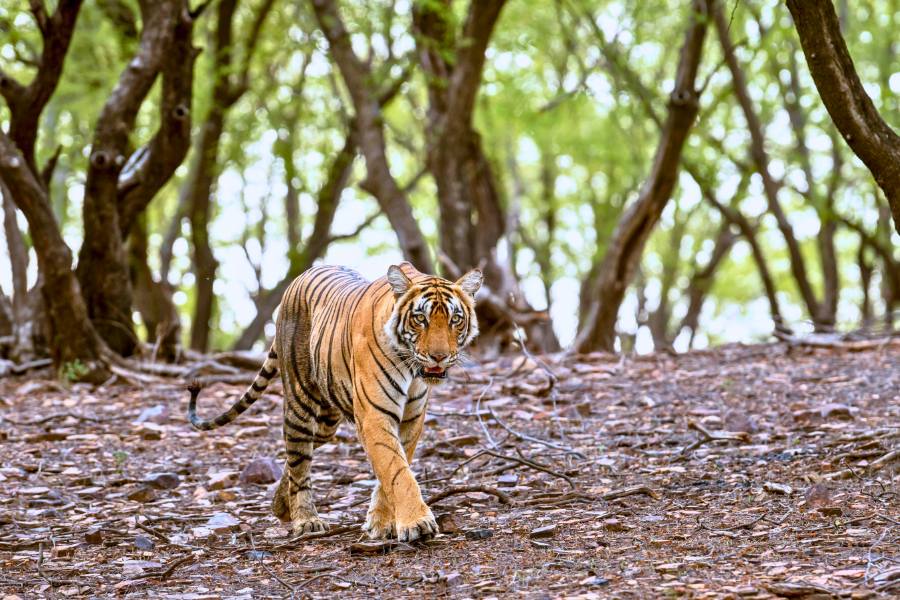
Is Ranthambore Tour Worth It for Tiger Sightings?
If spotting a majestic Bengal tiger in the wild is on your travel bucket list, then Ranthambore National Park is probably one of the first destinations you'll come across. Located in the Sawai Madhopur district of Rajasthan, Ranthambore is one of India's most celebrated wildlife reserves and has earned a global reputation for offering excellent opportunities to see tigers in their natural habitat. Every year, wildlife photographers, nature enthusiasts, and adventure seekers travel from around the world hoping to witness this incredible predator roaming freely through ancient ruins, serene lakes, and dense forests.
The biggest question many travelers ask before planning their wildlife vacation is simple: Is a Ranthambore Tour really worth it for tiger sightings? The answer is yes—but with realistic expectations. Tigers are wild animals, not zoo attractions, so no safari can guarantee a sighting. However, Ranthambore consistently ranks among India's best tiger reserves because of its healthy tiger population, experienced forest guides, and relatively open landscapes that make wildlife easier to spot compared to many other national parks.
A Ranthambore Tour is much more than just chasing tiger sightings. It offers an immersive experience where history, nature, wildlife, and photography blend into one unforgettable adventure. From exploring the majestic Ranthambore Fort to watching crocodiles bask beside peaceful lakes and colorful birds soar across the sky, every safari presents something unique. Even if a tiger remains elusive during one drive, the park's incredible biodiversity ensures that every visitor leaves with memorable experiences.
Why Ranthambore Is One of India's Best Tiger Reserves
Ranthambore National Park has become synonymous with tiger tourism for good reason. Once the royal hunting grounds of the Maharajas of Jaipur, the forest has transformed into one of India's greatest wildlife conservation success stories. Today, it is protected under Project Tiger and continues to support a thriving ecosystem that benefits not only Bengal tigers but also leopards, sloth bears, striped hyenas, jackals, marsh crocodiles, and more than 300 species of birds.
One feature that distinguishes Ranthambore from many other tiger reserves is its landscape. Unlike dense tropical forests where visibility is limited, Ranthambore combines open meadows, rocky cliffs, lakes, and dry deciduous forests. This varied terrain gives safari visitors better visibility, increasing the chances of spotting wildlife from a safe distance. Ancient temples and centuries-old ruins scattered throughout the park create breathtaking scenery rarely found in other wildlife destinations.
The reserve is also famous for its iconic tigers that have become legends among wildlife photographers. Famous tigresses such as Machli, Krishna, Arrowhead, and Riddhi have drawn visitors from across the globe, inspiring documentaries and conservation stories. Their legacy continues through new generations of cubs, making Ranthambore one of the most exciting places to observe tiger behavior in the wild.
What Are the Chances of Seeing a Tiger?
One of the biggest misconceptions among first-time visitors is believing that every safari guarantees a tiger sighting. In reality, no national park can promise this because wild animals move freely according to their natural instincts. However, Ranthambore consistently offers some of the highest probabilities of tiger encounters in India.
Several factors influence your chances of spotting a tiger. The time of year, safari zone, weather conditions, guide experience, and even a bit of luck all play important roles. During hotter months, tigers frequently visit lakes and waterholes to cool down, making them easier to locate. Morning safaris often provide excellent opportunities because many animals remain active before temperatures rise.
The park is divided into several safari zones, each offering different landscapes and wildlife densities. Some zones have historically produced more tiger sightings than others, but wildlife movement constantly changes. Experienced naturalists communicate with forest officials and other guides during safaris, increasing the possibility of locating recently observed animals. Even if you don't encounter a tiger, sightings of leopards, deer, wild boars, crocodiles, langurs, peacocks, and numerous bird species make every safari rewarding.
Best Time to Visit Ranthambore for Tiger Sightings
Choosing the right season can significantly improve your wildlife experience. Ranthambore National Park generally remains open from October to June, while the monsoon months are partially closed to allow the forest ecosystem to regenerate naturally.
Winter, from October through February, offers pleasant temperatures and lush scenery. This season is ideal for travelers who prefer comfortable weather and birdwatching opportunities. Although vegetation is greener and slightly denser, tiger sightings remain common because animals continue their normal routines.
Summer, from March to June, is widely considered the best season for tiger photography. Rising temperatures encourage animals to gather around lakes, ponds, and waterholes, making them easier to observe. While daytime temperatures can become quite high, photographers often consider the heat worthwhile because of the improved visibility and dramatic wildlife encounters.
Morning safaris generally provide cooler conditions and active wildlife, while evening safaris offer beautiful golden light that creates spectacular photography opportunities. Many experienced visitors choose multiple safaris over two or three days to maximize their chances of seeing a tiger, as every drive offers a completely different experience.
The Safari Experience You Can Expect
A safari in Ranthambore is an adventure that begins well before sunrise or late in the afternoon. Visitors travel in authorized open vehicles accompanied by trained guides and experienced drivers who understand animal behavior and know the forest roads exceptionally well.
Jeep safaris remain the most popular option because they accommodate fewer passengers and offer greater flexibility while navigating the forest. These smaller vehicles can quietly position themselves near recent wildlife activity, allowing guests to enjoy better viewing angles and photography opportunities.
Canter safaris provide a more economical alternative for larger groups. Although these vehicles carry more passengers, they still offer exciting wildlife experiences and access to designated safari zones. Regardless of the vehicle you choose, every safari follows strict conservation guidelines designed to protect both visitors and wildlife.
As the journey unfolds, you'll hear alarm calls from deer and langurs that often signal the presence of predators nearby. Guides carefully interpret these sounds while scanning fresh pugmarks, claw marks, and movement around watering holes. Even moments without tiger sightings remain fascinating because the forest constantly reveals new surprises—from colorful kingfishers diving into lakes to crocodiles resting along muddy banks and spotted deer grazing peacefully beneath ancient banyan trees.
Tips to Increase Your Chances of Seeing a Tiger
Although no safari can promise a tiger sighting, there are several practical ways to improve your chances. The first and perhaps most important tip is to book multiple safaris instead of relying on a single drive. Every safari is different because tigers constantly move across territories. A tiger that was seen in one zone during the morning may move several kilometers away by the afternoon. Spending two or three days inside the park dramatically increases your opportunity to encounter wildlife.
Choosing the right safari vehicle also matters. Jeep safaris are generally preferred by photographers and serious wildlife enthusiasts because they carry fewer passengers, offer greater flexibility, and provide better viewing angles. Experienced guides and drivers play an equally important role. They understand animal behavior, recognize alarm calls from deer and langurs, identify fresh pugmarks, and communicate with other guides to track recent tiger movements.
Timing your visit wisely can also make a noticeable difference. Summer months often produce excellent sightings because animals gather around lakes and waterholes. Morning safaris provide cooler temperatures and active wildlife, while evening drives offer stunning golden-hour photography. Patience is equally important. Wildlife viewing is unpredictable, and the most rewarding encounters often happen when visitors quietly observe the forest instead of focusing only on finding a tiger.
Wildlife Beyond Tigers
While tigers are undoubtedly the main attraction, Ranthambore offers an extraordinary diversity of wildlife that makes every safari worthwhile. The park is home to leopards, sloth bears, striped hyenas, jackals, jungle cats, nilgai, sambars, spotted deer, wild boars, and marsh crocodiles. These species contribute to a balanced ecosystem and frequently surprise visitors during their safari adventures.
Birdwatchers will also find Ranthambore incredibly rewarding. With more than 300 recorded bird species, the park attracts photographers and ornithologists throughout the year. Colorful kingfishers, painted storks, crested serpent eagles, owls, parakeets, peafowl, and numerous migratory birds create endless opportunities for bird photography. During winter, migratory waterbirds gather around the park's lakes, making it an ideal destination for nature enthusiasts.
The landscape itself is equally captivating. Ancient banyan trees, dramatic rocky hills, crystal-clear lakes, and centuries-old temples create breathtaking scenery. Watching a crocodile resting near Padam Talao or a herd of spotted deer grazing beneath the ruins of old palaces reminds visitors that Ranthambore is much more than a tiger reserve—it is a complete wilderness experience.
Is a Ranthambore Tour Worth the Cost?
Many travelers wonder whether the expense of safari permits, accommodation, transportation, and guide fees is justified. For most visitors, the answer is an overwhelming yes. A Ranthambore Tour offers far more than the possibility of seeing a tiger. It provides an authentic wildlife adventure where every safari brings anticipation, excitement, and the chance to witness nature unfolding in its purest form.
Unlike zoo visits, where animals are confined, Ranthambore allows visitors to observe wildlife behaving naturally. Seeing a tiger mark its territory, hearing alarm calls echo through the forest, or watching a leopard quietly disappear among rocky cliffs creates memories that last a lifetime. These moments simply cannot be replicated elsewhere.
The park is also easily accessible from Jaipur, Agra, and Delhi, making it an excellent addition to a Rajasthan or Golden Triangle itinerary. Luxury jungle resorts, boutique hotels, and budget accommodations ensure that travelers with different budgets can enjoy the experience. Whether you are a professional wildlife photographer or a family looking for an exciting holiday, Ranthambore offers exceptional value for the experience it delivers.
Planning Your Ranthambore Tour
Proper planning can significantly enhance your overall experience. Safari permits should be booked well in advance, especially during the peak travel season between October and March. Since the number of vehicles allowed inside the park each day is limited, last-minute bookings may not always be available.
Many travelers combine Ranthambore Tour packages with destinations such as Jaipur, Agra, and Delhi. This creates a perfect itinerary that blends wildlife, history, architecture, and culture into one memorable vacation. Spending at least two nights near the park allows enough time to enjoy multiple safaris while exploring nearby attractions such as Ranthambore Fort, a UNESCO World Heritage Site known for its spectacular views and fascinating history.
Packing the right essentials also makes a difference. Neutral-colored clothing, comfortable walking shoes, binoculars, sunscreen, hats, cameras with zoom lenses, and reusable water bottles are highly recommended. Visitors should always follow the instructions of forest guides, avoid making loud noises, and respect wildlife by maintaining a safe distance.
Conclusion
If your dream is to see a Bengal tiger roaming freely in the wild, Ranthambore remains one of the finest destinations in India to make that dream a reality. While no safari can ever guarantee a tiger sighting, the combination of a healthy tiger population, experienced guides, open landscapes, and excellent wildlife management gives visitors some of the best chances in the country.
A Ranthambore Tour is ultimately about much more than spotting a single animal. It is an opportunity to experience India's remarkable biodiversity, appreciate successful wildlife conservation, and create unforgettable memories surrounded by breathtaking landscapes. Whether you encounter a tiger on your very first safari or after several exciting drives, the anticipation and beauty of the journey make every moment worthwhile. For wildlife lovers, photographers, families, and adventure seekers alike, Ranthambore remains a destination that truly lives up to its legendary reputation.
Frequently Asked Questions
1. What is the best month to visit Ranthambore for tiger sightings?
April and May are generally considered the best months because tigers frequently visit water sources during the hotter weather.
2. How many safaris should I book?
Booking at least two to four safaris over two or three days significantly improves your chances of seeing a tiger.
3. Are children allowed on Ranthambore safaris?
Yes. Families with children can join safaris, provided they follow all safety rules established by the forest department.
4. Which is better: Jeep Safari or Canter Safari?
Jeep safaris usually provide a more personalized experience with fewer passengers, making them the preferred choice for photographers and wildlife enthusiasts.
5. Is Ranthambore worth visiting even without seeing a tiger?
Absolutely. The park offers incredible landscapes, historic ruins, rich birdlife, crocodiles, leopards, sloth bears, deer, and many other fascinating wildlife species, making it a rewarding destination even if a tiger remains hidden.