Jaipur Beyond Palaces: Colors, Crafts, and Culture
December 25, 2025
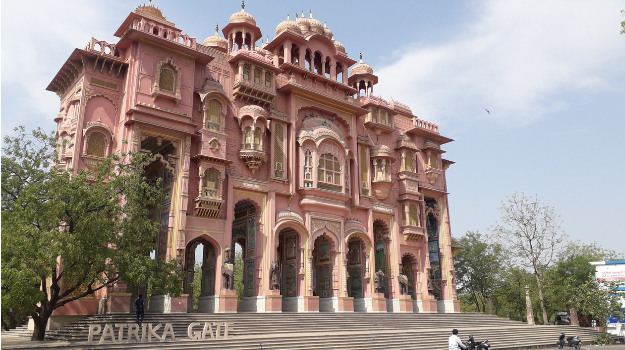
Jaipur Beyond Palaces: Colors, Crafts, and Culture
Jaipur Beyond Palaces: Colors, Crafts, and Culture is a story that goes far deeper than royal forts and grand monuments. While Jaipur Beyond Palaces: Colors, Crafts, and Culture instantly brings to mind images of pink sandstone buildings and majestic palaces, the true spirit of the city lives in its streets, workshops, festivals, flavors, and people. Jaipur is not only a destination to be seen; it is a place to be felt, heard, and experienced through its living traditions that continue to thrive alongside its royal legacy.
A City Painted in Living Color
Jaipur’s nickname, the Pink City, is not merely an architectural label but a reflection of its emotional palette. The city’s streets glow in shades of terracotta and rose, especially under the soft light of early morning and sunset. Yet beyond this iconic pink hue lies an ever-changing spectrum of colors found in turbans, sarees, bangles, spices, murals, and festival decorations. Walking through Jaipur is like stepping into a moving canvas where every corner offers a new shade and story.
The Soul of Jaipur’s Bazaars
The bazaars of Jaipur are where the city’s heartbeat is strongest. Johari Bazaar dazzles with gemstones and gold jewelry, while Bapu Bazaar is alive with textiles, footwear, and local chatter. Tripolia Bazaar echoes with the sound of metalworkers crafting bangles, and Kishanpole Bazaar showcases wooden furniture carved with age-old techniques. These markets are not designed for tourists alone; they are living ecosystems where generations of families have traded their skills and stories.
Craftsmanship Passed Through Generations
Jaipur’s crafts are not factory products but inherited legacies. Families of artisans pass their knowledge from parent to child, preserving techniques that date back centuries. Whether it is block printing, blue pottery, stone carving, or miniature painting, each craft carries the imprint of countless hands and years of dedication. The pride of these artisans lies not just in the final product but in the process itself, slow, deliberate, and deeply personal.
Block Printing and the Language of Fabric
One of Jaipur’s most celebrated art forms is hand block printing. Using carved wooden blocks dipped in natural dyes, artisans create intricate patterns on cotton and silk fabrics. Each print requires precision and patience, as layers of color are applied one at a time. The motifs often reflect nature, Mughal influences, and regional folklore, turning fabric into a storytelling medium that travels far beyond Rajasthan.
Blue Pottery: Jaipur’s Signature Art
Blue pottery is another craft that defines Jaipur’s creative identity. Unlike traditional clay pottery, blue pottery is made from quartz and glass, giving it a delicate yet luminous finish. Decorated with floral and geometric patterns in shades of cobalt blue, turquoise, and yellow, these pieces are both decorative and functional. Watching a blue pottery artisan at work is to witness the balance between fragility and skill.
Jewelry That Tells Stories
Jaipur is internationally renowned for its jewelry, but beyond luxury showrooms lies a deeper tradition of craftsmanship. Kundan, Meenakari, and Polki jewelry techniques originated under royal patronage and are still practiced today. Each piece is handcrafted, often inspired by nature, mythology, and royal symbolism. For locals, jewelry is not just ornamentation; it marks life events, celebrations, and social identity.
Folk Music and the Rhythm of the Desert
Music is woven into the cultural fabric of Jaipur. Folk musicians play traditional instruments like the sarangi, dholak, and algoza, filling courtyards and streets with soulful melodies. Their songs narrate tales of love, bravery, devotion, and everyday life. Often performed during festivals and ceremonies, this music keeps Rajasthan’s oral traditions alive in a rapidly modernizing world.
Dance as Living Expression
Jaipur’s folk dances are expressive stories told through movement. Ghoomar, with its graceful spins and flowing skirts, reflects joy and celebration, while Kalbeliya dance captures the energy and resilience of the desert communities. These dances are not confined to stages; they are part of weddings, festivals, and community gatherings, reinforcing cultural bonds through rhythm and motion.
Festivals That Unite the City
Festivals in Jaipur are immersive experiences that transform the city into a shared celebration. Teej welcomes the monsoon with swings, songs, and processions, while Gangaur honors devotion and marital bliss. Diwali lights up homes and markets, and Holi fills the air with laughter and color. Each festival blends religious belief, seasonal change, and social connection, making Jaipur’s calendar a vibrant cultural tapestry.
Culinary Traditions Rooted in the Land
Jaipur’s cuisine reflects its geography and history. The food is hearty, flavorful, and designed to thrive in arid conditions. Dishes like dal baati churma, gatte ki sabzi, and ker sangri showcase inventive use of local ingredients. Spices are used not to overpower but to enhance, creating meals that are both comforting and memorable.
Sweet Traditions and Festive Flavors
Sweets hold a special place in Jaipur’s food culture. Ghewar, with its honeycomb texture, is associated with festivals, while mawa kachori offers indulgence in every bite. These sweets are often prepared using recipes refined over generations, making each taste a connection to the past.
Daily Life in the Old City
Beyond monuments, daily life in Jaipur’s old city unfolds in narrow lanes and courtyards. Morning prayers echo from temples, shopkeepers open shutters with familiar greetings, and chai stalls become informal meeting points. This rhythm of life has remained largely unchanged despite the city’s growth.
Women and the Creative Economy
Women play a vital role in sustaining Jaipur’s craft traditions. From embroidery and textile work to pottery painting and jewelry design, their contributions are both artistic and economic. Many women-led cooperatives now work to preserve traditional skills while providing financial independence.
Art Spaces and Contemporary Creativity
Jaipur is not frozen in time; it continues to evolve creatively. Art galleries, design studios, and cultural spaces showcase contemporary interpretations of traditional forms. Young artists blend heritage techniques with modern themes.
The Influence of Royal Patronage
While the focus moves beyond palaces, royal patronage still shapes Jaipur’s cultural foundations. The city was designed with artisans, musicians, and craftsmen in mind, creating an environment where creativity could flourish.
Spiritual Spaces Beyond Temples
Jaipur’s spiritual culture extends beyond famous temples. Small shrines, Sufi dargahs, and neighborhood temples reflect a diverse spiritual landscape woven into everyday life.
The Role of Storytelling
Storytelling remains a powerful cultural thread in Jaipur. From folk tales narrated by elders to guided heritage walks, stories connect places with people.
Sustainable Tourism and Cultural Preservation
As tourism grows, Jaipur faces the challenge of preserving its cultural integrity. Responsible travel initiatives now focus on supporting local artisans and promoting cultural exchange.
Jaipur as a Living Cultural Canvas
Jaipur is not a museum city; it is alive with motion, sound, and emotion. Its culture breathes through everyday interactions and creative expression.
Discovering the True Jaipur
Jaipur reveals its true self not only in grand architecture but in the colors of its markets, the rhythm of its music, the skill of its artisans, and the warmth of its communities. Jaipur’s real treasure lies in its living culture, waiting to be experienced with open eyes and an open heart.