Taj Mahal in the Rain: A Photographer’s Guide to Monsoon Reflections
May 8, 2026
Taj Mahal in the Rain: A Photographer’s Guide to Monsoon Reflections
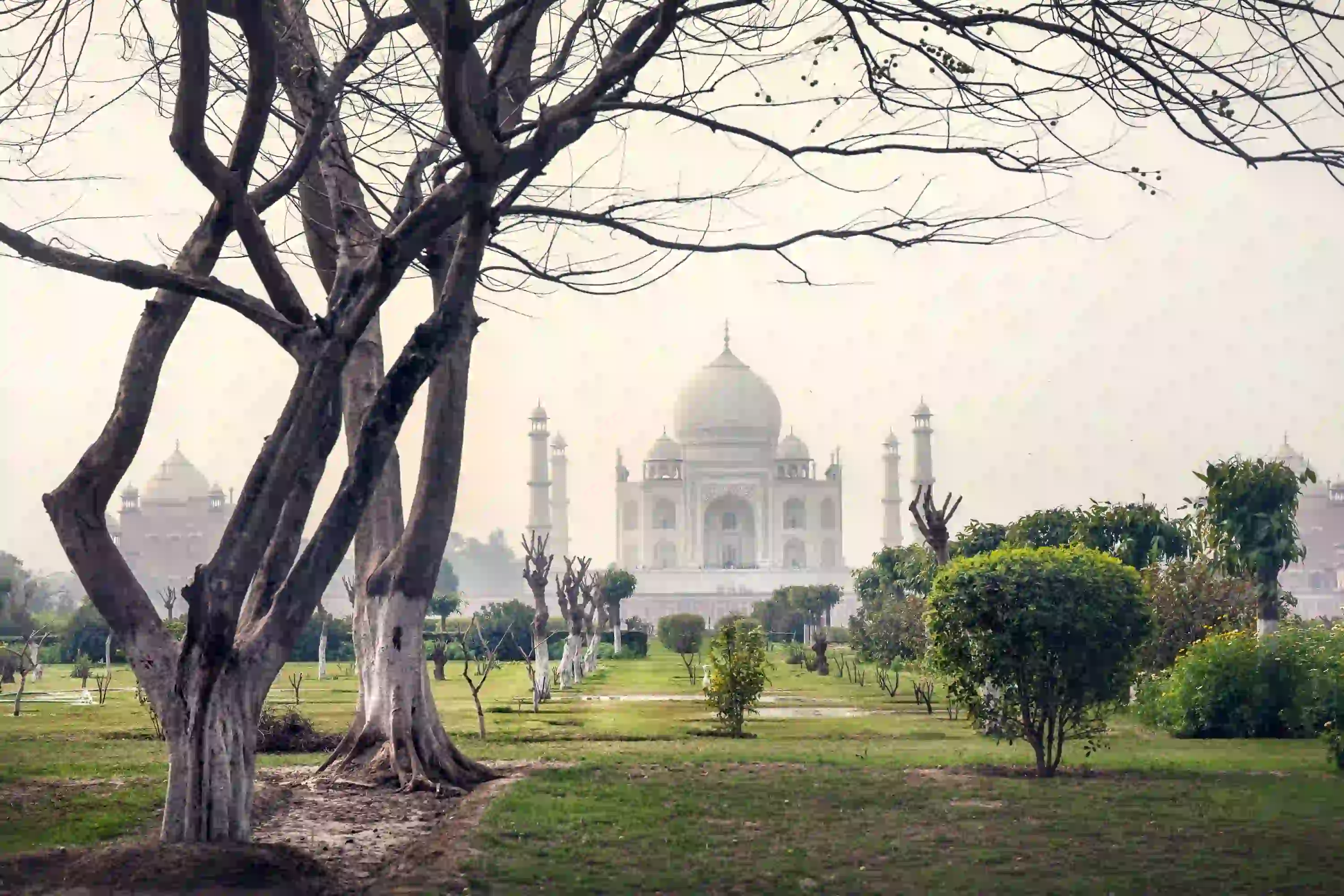
There is something deeply cinematic about watching rain clouds gather above the Taj Mahal. The white marble monument, already famous for its timeless beauty, transforms completely during the monsoon season. The atmosphere becomes softer, moodier, and far more dramatic than during bright summer afternoons. Reflections appear on wet marble pathways, dark clouds create powerful contrasts behind the glowing dome, and every raindrop adds emotion to the scene. For photographers, artists, and travelers searching for a different perspective of India’s most iconic monument, experiencing the Taj Mahal in the Rain becomes unforgettable.
Most tourists visit Agra during winter or dry months when the weather feels more predictable. Yet many experienced photographers believe monsoon season offers some of the most magical visual conditions for capturing the Taj Mahal. The rain changes the monument’s personality entirely. Instead of looking bright and crowded, the Taj Mahal suddenly feels mysterious, romantic, and almost dreamlike.
The monsoon season in Agra generally arrives between late June and September. During this time, sudden showers, moving clouds, and softer sunlight create ideal conditions for atmospheric photography. Reflections form naturally on stone surfaces, gardens appear greener, and the marble develops a richer visual texture under moisture. Travelers who embrace rainy weather instead of avoiding it often discover some of the most breathtaking views of the monument.
The growing popularity of photographing the Taj Mahal in the Rain is also connected to changing travel trends. Modern travelers increasingly seek unique experiences instead of standard postcard images. Rainy weather creates unpredictable moments that make every photograph feel more artistic and emotionally powerful.
Why Monsoon Creates the Best Photography Atmosphere
Photography depends heavily on light, texture, mood, and atmosphere. During dry seasons, harsh sunlight in Agra can sometimes create extremely bright conditions that make capturing balanced images difficult. Monsoon weather changes everything dramatically.
Cloud cover softens natural light, reducing harsh shadows and making the white marble easier to photograph. Instead of strong glare, photographers get smoother tones and more balanced exposure across the structure. This allows intricate carvings, floral patterns, and marble textures to appear more detailed and elegant.
One of the biggest reasons why photographers love the Taj Mahal in the Rain is the dramatic sky. Dark monsoon clouds behind the white marble create stunning visual contrast that feels almost surreal. Sometimes the monument appears glowing against deep grey skies, creating compositions that look cinematic rather than ordinary.
Rain also changes the emotional atmosphere of the Taj Mahal. The monument was built as a symbol of love and remembrance, and rainy weather enhances that emotional quality beautifully. Reflections, mist, wet pathways, and moving clouds create scenes filled with romance and melancholy.
The gardens surrounding the Taj Mahal also become greener and fresher during monsoon months. Trees, lawns, and flowerbeds appear more vibrant, adding richer natural colors to photographs. Water droplets on leaves and reflective surfaces contribute additional texture throughout the landscape.
The Magic of Reflections After Rainfall
One of the most exciting aspects of monsoon photography is the appearance of natural reflections. After rainfall, puddles often form across marble pathways and stone surfaces near the monument. Skilled photographers use these reflections creatively to capture artistic compositions.
The reflections create symmetry that perfectly complements the Taj Mahal’s balanced architecture. Photographs showing the dome mirrored in rainwater often appear visually striking because they double the monument’s elegance and geometric beauty.
Many photographers specifically visit during rainy days hoping to capture the Taj Mahal in the Rain with perfect reflection conditions. Since puddles disappear quickly after heavy tourist movement or drying weather, timing becomes important. Early mornings after overnight rain often provide the best opportunities.
Reflections also allow photographers to experiment with unusual perspectives. Instead of always shooting directly at the monument, photographers can frame only the reflected image in water. These creative compositions often feel more artistic and emotionally engaging than standard tourist photographs.
Wet marble surfaces themselves create additional visual beauty. Rainwater slightly darkens certain textures while making white marble shine more softly. This subtle transformation enhances the monument’s details naturally without requiring heavy editing later.
Early Morning Monsoon Photography
Sunrise remains one of the best times to photograph the Taj Mahal during any season, but monsoon mornings create especially magical conditions. The air feels cooler, visitor crowds remain smaller, and the light changes rapidly as clouds move across the sky.
Photographing the Taj Mahal in the Rain during early morning allows photographers to capture soft mist, reflective surfaces, and dramatic skies before the monument becomes crowded. Sometimes rain clouds partially hide the rising sun, creating diffused lighting that feels incredibly atmospheric.
Morning rain showers also create quieter surroundings. Instead of large tourist groups everywhere, photographers often experience calmer moments where the monument feels peaceful and almost isolated. This atmosphere helps create more emotional and intimate images.
Another advantage of sunrise photography is the constantly changing mood. One moment the monument may appear under soft grey clouds, and a few minutes later sunlight may break briefly through the sky, illuminating sections of the marble dramatically. These unpredictable lighting transitions create unique opportunities impossible to replicate artificially.
Bird activity during monsoon mornings can also add life to photographs. Birds flying across cloudy skies or resting near wet gardens help create dynamic compositions that feel natural and alive.
Essential Camera Gear for Rainy Conditions
Photographing during monsoon season requires preparation because rain can damage equipment if handled carelessly. Travelers planning to photograph the Taj Mahal in the Rain should carry lightweight waterproof protection for cameras and lenses.
Rain covers, plastic sleeves, or waterproof bags help protect equipment during sudden showers. Microfiber cloths become extremely important because moisture and water droplets constantly collect on lenses during humid weather.
Wide-angle lenses work especially well for capturing the monument alongside dramatic skies and reflections. Telephoto lenses can also create stunning detail shots of marble carvings, rain droplets, and architectural textures.
Tripods may help during low-light monsoon conditions, particularly during cloudy mornings or evening photography. However, photographers should remain aware of visitor movement and local photography regulations around the monument.
Many photographers also carry polarizing filters during monsoon shoots. These filters help manage reflections, reduce glare on wet surfaces, and enhance contrast between clouds and marble.
Comfort is equally important. Lightweight waterproof clothing, comfortable footwear with good grip, and protective bags help photographers continue shooting comfortably even during unexpected rainfall.
Creative Composition Ideas During Monsoon
Rainy weather encourages photographers to think more creatively. Instead of taking only standard front-facing monument shots, monsoon conditions inspire experimentation with mood, reflections, and atmosphere.
One popular technique for capturing the Taj Mahal in the Rain involves using foreground reflections creatively. Puddles, wet stone surfaces, or reflective pathways can frame the monument in visually dramatic ways.
Silhouettes also become more effective during cloudy conditions. Visitors carrying umbrellas near the Taj Mahal can create emotionally powerful compositions that emphasize scale and atmosphere simultaneously.
Photographers often use rain itself as a storytelling element. Visible raindrops, wet clothing, moving umbrellas, and misty backgrounds create images that feel alive and cinematic rather than static.
Close-up photography becomes particularly rewarding during monsoon weather. Rainwater collecting on marble carvings, droplets on flowers in the gardens, or reflections inside decorative pools can produce artistic detail shots beyond traditional monument photography.
Symmetry remains another important compositional tool. Since the Taj Mahal itself is perfectly balanced architecturally, combining this symmetry with mirrored reflections creates visually satisfying photographs that naturally attract attention.
The Emotional Beauty of Rainy Weather
The emotional atmosphere surrounding the Taj Mahal changes dramatically during monsoon season. On bright sunny days, the monument often feels energetic and busy because of heavy tourist activity. Rainy weather introduces calmness, mystery, and romance.
Many travelers say the Taj Mahal in the Rain feels more connected to the monument’s original emotional meaning. Since the Taj Mahal symbolizes eternal love and remembrance, the softer and quieter atmosphere of rain enhances those emotions naturally.
Clouds moving slowly across the sky create constantly shifting moods around the structure. Sometimes the monument appears hidden partially behind mist, while moments later sunlight may illuminate the dome briefly through dark clouds. These transitions make the experience feel deeply cinematic.
Rain also changes sound within the complex. Footsteps become softer, conversations quieter, and rainfall itself creates a peaceful background atmosphere. The monument feels less commercial and more emotionally immersive during these moments.
Couples visiting during monsoon often describe the experience as especially romantic because the weather adds intimacy and softness to the environment. Photographers capturing portraits near reflective marble surfaces during light rain often create remarkably emotional images.
Why Monsoon Travel in Agra is Underrated
Many travelers avoid monsoon season because they assume rain will ruin sightseeing plans. In reality, Agra during monsoon often becomes more comfortable and visually beautiful than expected.
Temperatures usually become cooler compared to peak summer months, making sightseeing less exhausting. Gardens appear fresher, skies become more dramatic, and tourist crowds sometimes decrease slightly because fewer people travel during rainy periods.
Travelers exploring the Taj Mahal in the Rain often discover quieter moments compared to peak winter tourism. Photography becomes easier because overcrowded pathways and long waiting times are less severe during certain rainy days.
Hotels and travel services may also offer more flexible pricing during monsoon season. Travelers willing to embrace changing weather conditions can therefore enjoy better value while experiencing Agra from a unique perspective.
Monsoon weather also creates more dynamic travel memories. Instead of predictable sightseeing, rainy conditions introduce spontaneity and emotional atmosphere that many travelers remember far more vividly later.
Best Tips for Capturing Stunning Rainy Taj Mahal Photos
Timing remains one of the most important factors for successful monsoon photography. Rain often arrives unpredictably, so photographers should stay flexible and patient rather than expecting constant sunshine.
Checking weather forecasts helps identify likely periods of cloud cover or rainfall. However, photographers should also embrace uncertainty because some of the best images happen unexpectedly during rapidly changing weather.
Photographers capturing the Taj Mahal in the Rain should focus not only on the monument itself but also on surrounding details. Reflections, umbrellas, pathways, birds, clouds, and human emotions all contribute to stronger storytelling.
Patience becomes extremely important during monsoon photography. Sometimes dramatic clouds appear only briefly, or reflections become perfect for just a few minutes after rainfall. Remaining observant and ready helps photographers capture those fleeting moments successfully.
Editing rainy photographs carefully afterward can also enhance mood while preserving realism. Slight contrast adjustments, cooler tones, or enhanced reflections often strengthen the emotional atmosphere naturally without making images look artificial.
Conclusion
The Taj Mahal during monsoon season reveals a side of the monument that many travelers never experience. Rain transforms the white marble into something softer, moodier, and far more emotionally powerful. Reflections shimmer across wet pathways, clouds create dramatic contrasts above the dome, and every moment feels cinematic and alive.
For photographers, experiencing the Taj Mahal in the Rain offers endless creative opportunities. From artistic reflections and atmospheric portraits to dramatic cloudscapes and emotional storytelling, monsoon weather turns ordinary sightseeing into unforgettable visual exploration.
The beauty of rainy photography lies in unpredictability. No two moments ever look exactly the same. Light changes constantly, reflections appear and disappear, and the monument’s mood shifts with every passing cloud. Travelers willing to embrace the rain often discover some of the most magical and meaningful views of the Taj Mahal.
Instead of avoiding monsoon weather, photographers and travelers should consider celebrating it. The rain does not hide the beauty of the Taj Mahal — it reveals a deeper and more emotional version of it.