Taj Mahal Sunrise Tour From Delhi: Complete Travel Guide
September 25, 2026
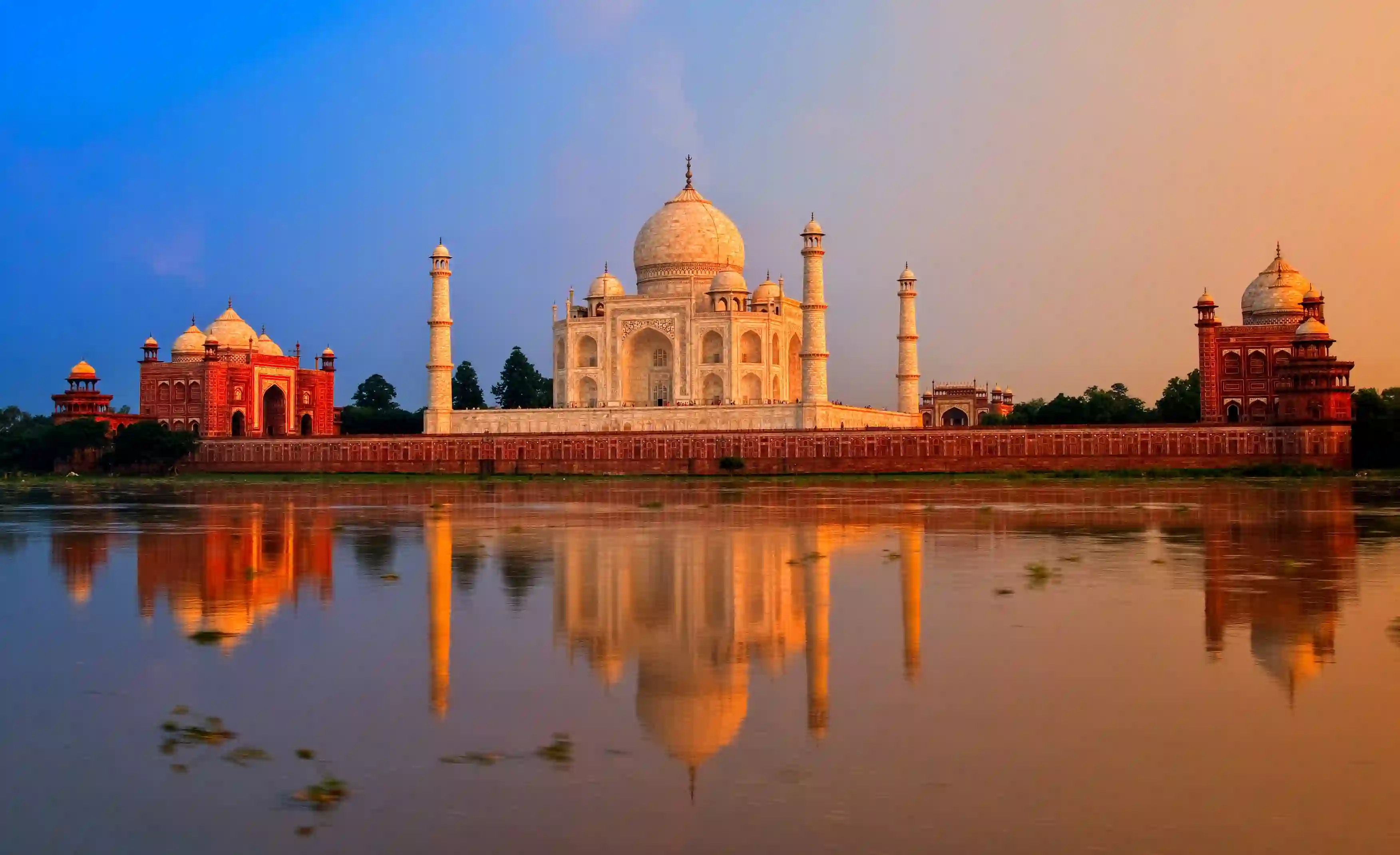
Taj Mahal Sunrise Tour From Delhi: Complete Travel Guide
A Taj Mahal Sunrise Tour from Delhi is one of the most memorable ways to experience India's most famous monument. Seeing the Taj Mahal in the soft morning light creates a peaceful atmosphere and gives travelers an opportunity to explore the monument before the busiest hours of the day.
A private car makes this journey especially convenient because you can leave Delhi during the early morning hours, travel directly to Agra, visit the Taj Mahal around sunrise, and explore other important attractions before returning to Delhi the same day.
Whether you are visiting India for the first time, traveling as a couple, planning a family holiday, or simply looking for an unforgettable day trip from Delhi, a sunrise itinerary can make your Agra experience special.
This complete guide explains how to plan your trip, what time to leave Delhi, what to see in Agra, how much time to spend at the Taj Mahal, what to bring, and how to organize your return journey.
Why Choose a Taj Mahal Sunrise Tour From Delhi?
The Taj Mahal looks different throughout the day as sunlight changes its appearance. Early morning is particularly attractive because the monument can appear soft and atmospheric in the first light of the day.
A sunrise trip also allows you to begin sightseeing early and use the remainder of the day to explore Agra's other historical attractions.
Traveling by private car gives you flexibility that may not be available with a fixed group itinerary. You can choose your departure point, stop along the way if necessary, and travel directly between attractions.
For travelers with only one day available, this can be an efficient way to combine the Taj Mahal with Agra Fort and another attraction.
Best Time for a Taj Mahal Sunrise Visit
The exact sunrise time changes throughout the year, so your departure time should be adjusted according to the season.
During summer, sunrise occurs earlier, while winter mornings begin later. Winter can also bring fog to the Delhi-Agra region, which may affect visibility and driving time.
For a sunrise visit, it is important to leave Delhi well before the monument opens so that you have enough time for the journey, parking, security procedures, and entry.
A professional tour operator or local guide can help you organize the schedule according to the sunrise time on your chosen travel date.
Suggested Same-Day Sunrise Itinerary
Here is a practical itinerary for travelers planning to visit the Taj Mahal from Delhi by private car.
2:30 AM – 3:00 AM: Pick-Up From Delhi
Your driver can pick you up from your hotel, residence, or another convenient location in Delhi.
The early departure is necessary because the journey from Delhi to Agra takes several hours, depending on traffic, road conditions, and your exact starting point.
Before leaving, make sure you have your identification documents, phone, camera, water, and other essentials.
3:00 AM – 6:00 AM: Travel From Delhi to Agra
Begin the journey toward Agra via the main highway connection between Delhi and Agra.
The roads are generally quieter during the early morning hours, although travel time can vary.
You may want to carry a light snack and water because many restaurants and roadside facilities may not be operating at such an early hour.
Around Sunrise: Enter the Taj Mahal
After arriving in Agra, proceed toward the Taj Mahal complex.
The exact entry time should be planned according to the monument's current opening schedule and the sunrise time on your travel date.
Once inside, take your time to experience the monument in the early morning atmosphere.
The white marble can take on subtle shades as the sunlight changes, creating excellent conditions for photography.
Spend 2–3 Hours Exploring the Taj Mahal
Allow approximately two to three hours for the Taj Mahal complex.
During your visit, you can explore:
- The main mausoleum
- The surrounding Mughal gardens
- The mosque
- The guest house or jawab
- Decorative marble details
- The Yamuna River side of the complex
A Taj Mahal Sunrise Tour is about more than taking a quick photograph. Allowing enough time to walk through the complex gives you a better opportunity to appreciate the architecture and history of the monument.
The History Behind the Taj Mahal
The Taj Mahal was commissioned by Mughal emperor Shah Jahan in memory of his wife Mumtaz Mahal.
Construction began in the 17th century, and the monument became one of the best-known examples of Mughal architecture.
Its design combines elements associated with Persian, Islamic, Indian, and other architectural traditions.
The central marble mausoleum is surrounded by gardens and additional structures that form part of the larger architectural complex.
A knowledgeable local guide can explain the history, construction techniques, decorative features, and stories connected with the monument.
Best Photography Opportunities at Sunrise
Sunrise provides several opportunities for photography.
Main Entrance View
The first major view of the Taj Mahal through the entrance gate provides a classic composition.
Reflecting Pool
The long water channel leading toward the mausoleum can create symmetrical photographs, especially when the water is relatively still.
Garden Paths
The gardens offer different angles of the monument and allow photographers to capture the Taj Mahal surrounded by greenery.
Marble Details
Early morning light can highlight the delicate carvings, inlay work, and architectural details of the marble structure.
If photography is important to you, avoid rushing through the complex. Take time to explore different viewpoints rather than relying on one location.
9:00 AM – Breakfast in Agra
After your Taj Mahal visit, enjoy breakfast at a local restaurant or your hotel.
A relaxed breakfast provides an opportunity to rest after the early start.
Travelers can choose from Indian breakfast dishes or familiar international options depending on their preferences.
10:00 AM – Visit Agra Fort
After breakfast, continue to Agra Fort.
Agra Fort is another major attraction in the city and provides insight into the Mughal imperial period.
The massive red sandstone complex contains courtyards, halls, palaces, mosques, and other historic structures.
The fort is also associated with several important Mughal rulers and provides views toward the Taj Mahal from certain locations.
Plan approximately one to two hours for the visit.
12:00 PM – Visit Another Agra Attraction
After Agra Fort, you can choose another attraction depending on your interests and available time.
Mehtab Bagh
Mehtab Bagh is located across the Yamuna River from the Taj Mahal and offers views toward the monument.
It can be a good choice for travelers who enjoy gardens and photography.
Itmad-ud-Daulah
The Tomb of Itmad-ud-Daulah is another notable Mughal-era monument in Agra.
Its marble construction and decorative details make it an interesting addition to a cultural itinerary.
Local Handicraft Workshops
Travelers interested in traditional crafts can explore local workshops featuring marble inlay, textiles, handicrafts, and other products associated with Agra.
Choose an attraction according to your interests rather than trying to fit too many locations into a single day.
1:30 PM – Lunch in Agra
After sightseeing, take a break for lunch.
Agra has restaurants serving North Indian cuisine as well as international dishes.
If you started your journey in the middle of the night, lunch is also a good opportunity to rest before beginning the return journey.
2:30 PM – Optional Shopping
If you have enough time, you can explore Agra's local markets.
Popular items include:
- Marble handicrafts
- Marble inlay products
- Leather goods
- Textiles
- Traditional souvenirs
- Decorative handicrafts
When buying souvenirs, compare prices and quality and ask questions about the materials and manufacturing process.
4:00 PM – Begin the Journey Back to Delhi
After completing your Agra sightseeing, meet your driver and begin the return journey to Delhi.
The return trip can take several hours depending on traffic.
Because you started the day very early, it is important to plan your return without adding too many additional attractions.
Evening – Arrive Back in Delhi
Depending on traffic and your final destination, you can expect to reach Delhi in the evening.
Your driver can drop you at your hotel, residence, or another agreed location.
This allows you to experience the Taj Mahal at sunrise without staying overnight in Agra.
Taj Mahal Sunrise Tour Cost
The total cost of a sunrise trip depends on several factors.
These can include:
- Type of private vehicle
- Number of travelers
- Professional guide
- Monument entrance tickets
- Fuel and toll charges
- Parking fees
- Meals
- Hotel or airport transfers
A private sedan is generally suitable for couples or small groups, while an SUV or larger vehicle may be more convenient for families and larger groups.
Always check whether monument tickets, guide fees, tolls, parking, and meals are included before confirming your tour.
What to Carry for a Sunrise Trip
Because you will be leaving Delhi during the night, preparing your essentials in advance is helpful.
Consider carrying:
- Valid identification
- Mobile phone
- Camera
- Power bank
- Drinking water
- Light snacks
- Sunglasses
- Comfortable walking shoes
- Light jacket during cooler months
- Sunscreen
- Any personal travel essentials
Avoid carrying unnecessary items into the monument because security restrictions apply.
Tips for a Comfortable Sunrise Visit
Book Transportation in Advance
A reliable private car is particularly important for a very early departure.
Confirm the Schedule
Check the Taj Mahal's opening arrangements and your planned travel date before departure.
Leave Enough Travel Time
Do not calculate your departure based only on the shortest possible driving time. Allow extra time for traffic and unexpected delays.
Wear Comfortable Clothing
You will spend several hours walking around historical monuments, so comfortable clothing and shoes are recommended.
Keep Your Schedule Flexible
The sunrise itself is weather-dependent. Cloud cover, fog, and other conditions can affect the appearance of the morning sky.
Use a Local Guide
A knowledgeable guide can provide historical and architectural context that you may miss when exploring independently.
Taj Mahal Sunrise Tour for Couples
A sunrise visit can be an appealing option for couples who want to experience the monument during a quieter part of the day.
The early morning light provides beautiful photography opportunities, while a private car allows couples to maintain a flexible schedule.
After visiting the Taj Mahal, couples can enjoy breakfast, explore Agra Fort, have lunch, and return to Delhi in the evening.
Taj Mahal Sunrise Tour for Families
Families can also enjoy a sunrise trip, although the very early departure requires some preparation.
Children may need snacks, water, comfortable clothing, and entertainment during the drive.
A private car allows families to stop when needed and travel directly between attractions.
If traveling with young children or elderly family members, consider limiting the number of sightseeing stops so the day does not become exhausting.
Is a Sunrise Trip From Delhi Worth It?
A sunrise journey requires an extremely early start, but it allows travelers to experience the Taj Mahal during one of the most atmospheric times of the day.
It can be particularly suitable for visitors who have limited time in India and want to combine Agra with a Delhi itinerary.
Travelers who prefer a slower pace may instead choose to stay overnight in Agra. This provides more time for sightseeing and avoids a middle-of-the-night departure from Delhi.
The right choice depends on your travel schedule, preferred pace, and interest in seeing the Taj Mahal during the early morning.
Frequently Asked Questions
How early should I leave Delhi for a Taj Mahal sunrise visit?
You generally need to leave Delhi during the early morning hours because the journey to Agra takes several hours. Your exact departure time should be calculated according to the sunrise time and the monument's opening schedule on your travel date.
Can I visit the Taj Mahal and return to Delhi on the same day?
Yes. A carefully planned itinerary can include the Taj Mahal, Agra Fort, lunch, another attraction, and a return journey to Delhi on the same day.
How long should I spend at the Taj Mahal?
Most visitors should allow around two to three hours, depending on their interest in photography, history, architecture, and sightseeing.
Is a private car suitable for a sunrise trip?
A private car is convenient because you can arrange an early departure, travel directly to Agra, and return to Delhi according to your own itinerary.
Can I visit Agra Fort after sunrise?
Yes. Agra Fort can be visited after the Taj Mahal, making it one of the most practical combinations for a same-day itinerary.
What happens if there is fog at sunrise?
Winter mornings can sometimes have fog or reduced visibility. The monument remains open according to its scheduled arrangements, but the sunrise may not be clearly visible. Keeping your itinerary flexible is helpful.
Final Thoughts
A Taj Mahal Sunrise Tour from Delhi by private car offers an opportunity to experience the Taj Mahal in the early morning light while exploring some of Agra's other historic attractions during the same day.
Starting from Delhi during the night requires planning, but the reward is an early arrival in Agra and several hours available for sightseeing before returning to Delhi.
With comfortable transportation, an experienced driver, optional guide services, and a realistic itinerary, you can enjoy the Taj Mahal, Agra Fort, local cuisine, photography opportunities, and other attractions without needing an overnight stay.
For travelers with limited time, a well-organized Taj Mahal Sunrise Tour can be an efficient way to discover Agra while creating memorable experiences around one of India's most recognizable monuments.