What Is the Best Golden Triangle India Tour for First-Time Visitors?
August 8, 2026
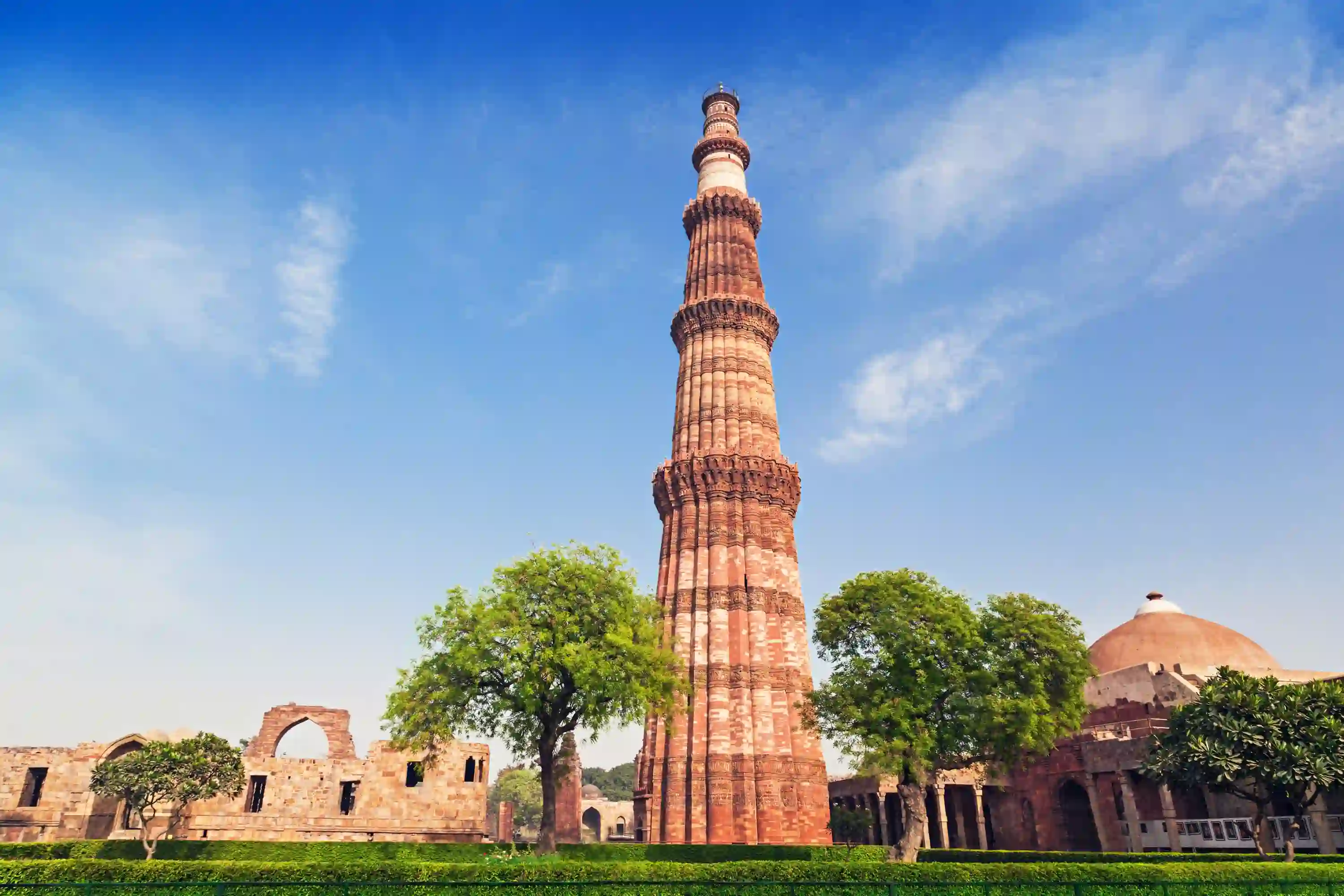
What Is the Best Golden Triangle India Tour for First-Time Visitors?
Planning your first trip to India can feel exciting but also overwhelming. India is a vast country with thousands of years of history, diverse cultures, colorful festivals, incredible food, magnificent architecture, and countless destinations to explore. For travelers visiting the country for the first time, choosing the right itinerary can make a major difference.
One of the easiest and most popular ways to experience India's history and culture is by taking a Golden Triangle tour. The route connects three of the country's most famous cities: Delhi, Agra, and Jaipur. Together, these destinations offer a fascinating introduction to India's Mughal history, royal heritage, architecture, markets, cuisine, and local traditions.
But what is the best Golden Triangle itinerary for a first-time visitor? How many days should you spend? Should you travel by private car or train? Can you add Ranthambore National Park? And what should you see in each city?
This guide explains how to plan the ideal Golden Triangle trip, including recommended itineraries, transportation options, attractions, travel tips, and suggestions for extending your journey.
What Is the Golden Triangle of India?
The Golden Triangle India route is a popular tourist circuit connecting Delhi, Agra, and Jaipur.
These three destinations form a roughly triangular route in northern India and are relatively convenient to combine into one vacation.
Each city offers a different experience.
Delhi introduces travelers to India's modern capital, historic monuments, markets, temples, and diverse food culture.
Agra is home to the world-famous Taj Mahal and several important Mughal monuments.
Jaipur, known as the Pink City, showcases Rajasthan's royal heritage, magnificent forts, palaces, colorful bazaars, and traditional culture.
For first-time visitors, the Golden Triangle India route provides an excellent introduction to the country's history and cultural diversity without requiring extensive domestic flights.
Why Is the Golden Triangle Good for First-Time Visitors?
India can be difficult to explore if you try to cover too many destinations during your first trip.
The Golden Triangle solves this problem by combining three major destinations into a manageable itinerary.
You can experience historic monuments, royal palaces, local markets, traditional cuisine, religious sites, and everyday Indian life within approximately five to seven days.
Another advantage is the variety.
Delhi is a huge metropolitan city with layers of history. Agra focuses heavily on Mughal architecture and the Taj Mahal. Jaipur offers a completely different atmosphere, with Rajput forts, palaces, handicrafts, and colorful streets.
This variety makes the route especially attractive to international travelers who want to experience several sides of India during one vacation.
How Many Days Do You Need for a Golden Triangle Tour?
For first-time visitors, 5 to 7 days is usually a comfortable amount of time.
A shorter trip can be completed in four days, but the schedule may feel rushed.
A seven-day itinerary allows you to explore the major attractions at a more relaxed pace.
Here are some popular options:
4-Day Golden Triangle Tour
A four-day itinerary is suitable for travelers with limited vacation time.
A typical route could be:
- Day 1: Delhi sightseeing
- Day 2: Delhi to Agra and Taj Mahal
- Day 3: Agra to Jaipur
- Day 4: Jaipur sightseeing and departure
This itinerary covers the main highlights but does not leave much time for relaxation.
5-Day Golden Triangle Tour
Five days provides a better balance.
You could spend:
- Day 1: Delhi
- Day 2: Delhi to Agra
- Day 3: Agra to Jaipur
- Day 4: Jaipur
- Day 5: Jaipur departure
This is a popular choice for travelers who want to see the highlights without taking a long vacation.
7-Day Golden Triangle Tour
A seven-day itinerary is ideal for travelers who prefer a slower pace.
You can spend two days in Delhi, one or two days in Agra, and two days in Jaipur, with additional time for shopping, food experiences, or cultural activities.
For many first-time visitors, this is the most comfortable option.
Best Golden Triangle Itinerary for First-Time Visitors
If you have seven days, consider the following itinerary.
Day 1: Arrive in Delhi
Start your journey in India's capital.
Depending on your arrival time, keep the first day relatively relaxed.
After checking into your hotel, you can explore nearby attractions or simply recover from your flight.
If you arrive early, consider visiting India Gate, Connaught Place, or a local market.
Avoid scheduling too many activities on your arrival day because international flights can be tiring.
Day 2: Explore Old and New Delhi
Spend your second day discovering Delhi's historical and modern attractions.
Important places to consider include:
- Red Fort
- Jama Masjid
- Raj Ghat
- India Gate
- Humayun's Tomb
- Qutub Minar
- Lotus Temple
- Gurudwara Bangla Sahib
You do not need to visit every attraction.
A good itinerary combines several major monuments with time to experience Delhi's streets, markets, and food.
Old Delhi is particularly interesting for travelers who want to experience the energetic atmosphere of historic India.
A guided walking or food tour can also be a memorable addition.
Day 3: Delhi to Agra
Leave Delhi in the morning and travel to Agra.
The journey can be completed by private car, train, or organized tour.
Once you arrive in Agra, visit Agra Fort.
Agra Fort is one of India's most important Mughal monuments and provides an excellent introduction to the history behind the Taj Mahal.
Depending on your schedule, you can also visit Mehtab Bagh for a view of the Taj Mahal from across the Yamuna River.
Spend the night in Agra so that you can visit the Taj Mahal early the following morning.
Day 4: Taj Mahal and Travel to Jaipur
Start your day early with a sunrise visit to the Taj Mahal.
The monument is especially beautiful in the morning light, and visiting early can also help you avoid some of the larger crowds.
Allow approximately two to three hours for the visit.
After breakfast, begin your journey toward Jaipur.
The route between Agra and Jaipur can also include a stop at Fatehpur Sikri, the historic Mughal city located near Agra.
Arrive in Jaipur later in the day and check into your hotel.
Spend the evening relaxing or exploring a local market.
Day 5: Explore Jaipur
Jaipur is one of the most colorful destinations on the Golden Triangle route.
Start your sightseeing with Amber Fort.
The fort sits on a hill outside the central city and offers impressive views of the surrounding landscape.
Continue with attractions such as:
- City Palace
- Jantar Mantar
- Hawa Mahal
- Jal Mahal
- Albert Hall Museum
Hawa Mahal is particularly recognizable because of its elaborate pink façade and hundreds of small windows.
In the evening, explore Jaipur's markets for textiles, jewelry, handicrafts, spices, and souvenirs.
Day 6: Jaipur Culture and Experiences
Use your sixth day to explore Jaipur beyond the major monuments.
You could visit local craft workshops, enjoy a traditional Rajasthani meal, take a cooking class, or explore additional markets.
Travelers interested in photography may enjoy visiting Jaipur early in the morning when the streets are quieter.
You can also visit a traditional haveli or arrange a cultural evening featuring Rajasthani music and dance.
This additional day helps prevent your trip from becoming simply a checklist of monuments.
Day 7: Departure
Your final day depends on your travel plans.
You can depart Jaipur by flight, train, or private vehicle.
Some travelers return to Delhi for their international flight, while others continue their India journey to destinations such as Udaipur, Jodhpur, Varanasi, Mumbai, or Kerala.
If you have a late departure, you can use the morning for shopping or relaxed sightseeing.
Should You Travel by Car or Train?
Transportation is one of the most important decisions when planning a Golden Triangle tour.
Private Car
A private car with a driver is one of the most convenient options.
You can travel directly between destinations, stop for photographs, adjust your schedule, and visit attractions along the route.
For first-time international visitors, private transportation can also reduce the stress of navigating unfamiliar train stations and local transportation.
It is particularly useful if you want to visit Fatehpur Sikri or other attractions between the main cities.
Train
India has an extensive railway network, and trains can be an excellent way to travel between Delhi and Agra.
Fast trains can make the Delhi-Agra journey relatively quick.
Train travel can also provide an interesting cultural experience.
However, managing luggage, stations, schedules, transfers, and onward transportation may require more planning.
Organized Tour
An organized Golden Triangle package can be convenient for travelers who want accommodation, transportation, sightseeing, guides, and other services arranged together.
This option is particularly attractive to first-time visitors who prefer not to manage every detail independently.
What Is the Best Time for a Golden Triangle Tour?
The best months for visiting Delhi, Agra, and Jaipur are generally the cooler months.
October to March
This is one of the most popular periods for visiting northern India.
Temperatures are generally more comfortable for sightseeing, although mornings can sometimes be cool or foggy.
December and January can bring winter fog, particularly around Delhi and Agra.
April to June
These months can become extremely hot.
Daytime temperatures can be uncomfortable for sightseeing, especially in May and June.
If you travel during this period, schedule outdoor sightseeing early in the morning and later in the afternoon.
July to September
The monsoon season can bring rainfall and humidity.
The advantage is that some tourist areas can be less crowded, and landscapes can become greener.
However, heavy rain can occasionally affect transportation and sightseeing.
How Much Does a Golden Triangle Tour Cost?
The cost varies considerably depending on the length of the trip, hotel category, transportation, season, guide services, and activities.
A budget itinerary can use affordable hotels and public transportation.
A mid-range tour can include comfortable hotels, a private vehicle, breakfast, and local guides.
Luxury travelers can choose five-star hotels, luxury transportation, private experiences, and premium dining.
When comparing tour packages, look beyond the headline price.
Check whether the package includes:
- Hotels
- Daily breakfast
- Private transportation
- Airport transfers
- Local guides
- Monument entrance fees
- Driver expenses
- Parking and tolls
- Taxes
- Meals
- Travel insurance
A cheaper package may exclude important expenses that you will need to pay separately.
Should You Add Ranthambore to the Golden Triangle?
Yes, if you have additional time and enjoy wildlife.
Ranthambore National Park is one of India's best-known wildlife destinations and is particularly famous for its tiger population.
A popular extended route is:
Delhi → Agra → Jaipur → Ranthambore → Delhi
Adding Ranthambore usually requires at least two additional days.
You can visit the national park on a safari and potentially see Bengal tigers, leopards, sloth bears, crocodiles, deer, and numerous bird species.
Wildlife sightings are never guaranteed, but the safari experience itself can be an exciting addition to a cultural tour.
For travelers interested in both history and wildlife, a Golden Triangle India itinerary combined with Ranthambore can provide a much more diverse experience.
Is the Taj Mahal Included in the Golden Triangle?
Yes.
The Taj Mahal is one of the central highlights of the Golden Triangle route.
It is located in Agra, approximately between Delhi and Jaipur on the traditional tourist circuit.
For many international visitors, seeing the Taj Mahal is the main reason they choose this itinerary.
However, Agra offers more than the Taj Mahal.
Agra Fort, Mehtab Bagh, Itmad-ud-Daulah's Tomb, and other historic sites can make your stay more interesting.
What Should First-Time Visitors Eat?
Food is an important part of experiencing India.
During your Golden Triangle journey, you can try a variety of regional and North Indian dishes.
Popular choices include:
- Butter chicken
- Tandoori chicken
- Paneer dishes
- Dal
- Biryani
- Chole bhature
- Samosas
- Kachori
- Lassi
- Rajasthani thali
- Gulab jamun
Jaipur is particularly famous for Rajasthani cuisine.
If you are concerned about food hygiene, choose busy restaurants with good reviews and high customer turnover.
Drink bottled or properly filtered water and be cautious with raw foods if you have a sensitive stomach.
How Should You Dress in India?
There is no strict requirement for tourists to wear traditional Indian clothing, but modest clothing is generally recommended when visiting religious or cultural sites.
Lightweight clothing is useful during warmer months.
For temples, mosques, and other religious sites, shoulders and knees may need to be covered.
Comfortable walking shoes are essential because many historic attractions involve considerable walking.
A scarf can also be useful for both cultural reasons and protection from the sun.
Is the Golden Triangle Safe for First-Time Visitors?
Millions of tourists visit the Golden Triangle every year.
As with any major tourist destination, travelers should take normal precautions.
Keep important documents and valuables secure.
Be careful in crowded markets and transportation areas.
Use reputable transportation providers and licensed guides where appropriate.
Avoid accepting unsolicited offers from strangers for expensive services or shopping trips.
If something feels uncomfortable or suspicious, politely decline and move on.
Travel insurance is also recommended for international visitors.
How Can You Avoid Tourist Scams?
First-time visitors may encounter aggressive salespeople, unofficial guides, transportation offers, and shopping commissions.
A few simple practices can reduce problems.
Agree on prices before using local services.
Use reputable hotels, tour operators, and transportation companies.
If you hire a guide, confirm that the guide is authorized.
Do not feel pressured to buy something simply because a driver or guide recommends a particular shop.
Most interactions with local people are friendly, but being aware of common tourist situations will make your trip easier.
What Should You Pack?
Packing for a Golden Triangle tour does not need to be complicated.
Essential items include:
- Comfortable walking shoes
- Lightweight clothing
- A light jacket during winter
- Sunscreen
- Sunglasses
- Reusable water bottle
- Universal travel adapter
- Prescription medicines
- Basic toiletries
- Passport copies
- Travel insurance information
- Phone and charger
A small day bag is useful for sightseeing.
Avoid carrying unnecessary valuables.
Is a Golden Triangle Tour Suitable for Families?
Yes.
Families can enjoy the route because it combines attractions that appeal to different age groups.
Children may particularly enjoy the forts, palaces, colorful markets, and wildlife experiences.
However, the heat and long travel days can be challenging for younger children.
Families should consider a slower itinerary with comfortable hotels and private transportation.
Adding an extra day in Agra or Jaipur can make the trip much less tiring.
Is It Good for Couples and Honeymooners?
The Golden Triangle is also popular with couples.
The Taj Mahal is naturally one of the most romantic landmarks in India, while Jaipur offers luxury hotels, heritage properties, rooftop restaurants, and beautiful palace architecture.
Couples can upgrade their itinerary with private dining, heritage hotels, spa experiences, and personalized sightseeing.
A seven-day itinerary provides enough flexibility to combine sightseeing with relaxation.
What Makes the Golden Triangle Special?
The greatest advantage of this route is the contrast between the destinations.
Delhi shows the combination of ancient history and modern India.
Agra introduces travelers to the grandeur of the Mughal Empire and the Taj Mahal.
Jaipur provides an introduction to Rajasthan's royal history and colorful cultural traditions.
Within a single trip, you can see mosques, Hindu temples, Mughal monuments, Rajput forts, royal palaces, busy markets, modern neighborhoods, and traditional crafts.
That variety is why the Golden Triangle remains one of the best introductory trips to India.
Final Recommended Itinerary
For most first-time international visitors, a 7-day private Golden Triangle tour is an excellent choice.
A recommended route is:
- Day 1: Arrive in Delhi
- Day 2: Full-day Delhi sightseeing
- Day 3: Delhi to Agra and Agra Fort
- Day 4: Sunrise Taj Mahal and drive to Jaipur
- Day 5: Jaipur sightseeing
- Day 6: Jaipur cultural experiences and free time
- Day 7: Departure or onward journey
If you have nine days or more, consider adding Ranthambore National Park.
For travelers with only four or five days, reduce the number of activities rather than trying to see every attraction.
Final Thoughts
The best Golden Triangle itinerary for a first-time visitor is not necessarily the one that includes the most destinations. The best trip is one that gives you enough time to experience each city without spending your entire vacation sitting in a vehicle.
For most international travelers, five to seven days is a good starting point.
Delhi, Agra, and Jaipur offer an impressive combination of history, architecture, food, culture, shopping, and local experiences. Add Ranthambore if wildlife interests you, or extend your trip with destinations such as Udaipur, Jodhpur, Varanasi, or other parts of India.
A well-planned Golden Triangle India tour can give first-time visitors an unforgettable introduction to the country.
Before booking, compare itineraries carefully and check what is included in the package. Transportation, hotels, guides, monument tickets, meals, and taxes can make a significant difference in the overall value.
Most importantly, give yourself time to enjoy the journey. India is not simply a collection of monuments to check off a list. The streets, food, people, markets, architecture, and unexpected experiences are all part of what makes the trip memorable.
For a first visit to India, the Golden Triangle remains one of the most practical and rewarding routes to begin your adventure.
For travelers ready to plan their itinerary, explore our Golden Triangle India tour packages and discover different ways to experience Delhi, Agra, and Jaipur.
Whether you prefer a private car, comfortable hotels, local guides, or a customized itinerary, choosing the right package can make your first Indian adventure easier and more enjoyable.