What Is the Best Time to Visit Ranthambore for a Tiger Safari?
August 22, 2026
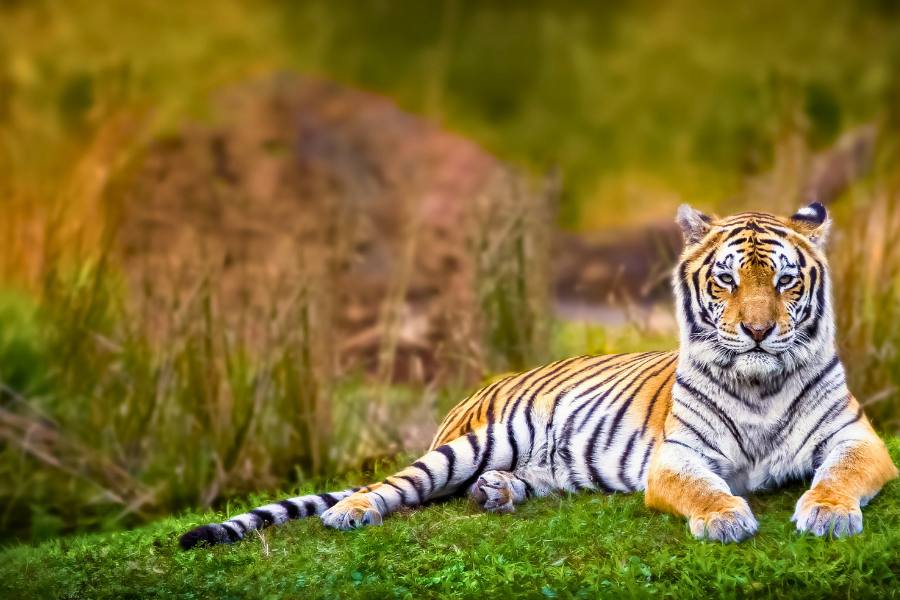
What Is the Best Time to Visit Ranthambore for a Tiger Safari?
Ranthambore National Park is one of India's most exciting wildlife destinations, especially for travelers who dream of seeing a Bengal tiger in its natural habitat. Located around Sawai Madhopur in Rajasthan, the reserve combines dry deciduous forests, lakes, rocky hills, grasslands and the dramatic ruins of Ranthambore Fort. Rajasthan Tourism describes Ranthambore as one of the world's best-known wilderness areas and highlights its opportunities for spotting tigers as well as leopards, sloth bears, hyenas, deer, crocodiles and many species of birds. The park is currently open to visitors from October through June, making the timing of your trip an important part of planning a successful safari.
So, what is the best time to visit Ranthambore for a tiger safari? For most travelers, April to June offers some of the strongest conditions for tiger sightings, because the rising temperatures encourage wildlife to spend more time around water sources. However, the cooler months from October to March are often more comfortable for visitors and provide beautiful scenery, pleasant safari conditions and plenty of opportunities to see wildlife. A good Ranthambore Tiger Safari is never simply about choosing a month and expecting a guaranteed tiger sighting. Wildlife is unpredictable, and the quality of the experience depends on weather, animal behavior, safari zones, time of day, patience and luck.
Why Ranthambore Is Famous for Tiger Safaris
Ranthambore has earned a special reputation among wildlife enthusiasts because it offers the possibility of seeing tigers in a landscape where forests, open grasslands, lakes and rocky terrain create excellent wildlife-viewing opportunities. Rajasthan Tourism notes that the reserve is located at the meeting point of the Aravalli and Vindhya ranges and contains a mixture of rolling hills, crags, meadows, lakes and rivulets. This varied landscape gives visitors much more than a single wildlife attraction because the safari can reveal an entire ecosystem rather than only one species.
The tiger is naturally the star attraction, but it is far from the only animal worth watching. Depending on conditions and location, visitors may encounter sambar deer, chital, nilgai, langurs, crocodiles, wild boar, jackals, hyenas, leopards and numerous birds. Alarm calls from deer or monkeys can sometimes alert guides to the possible presence of a predator nearby, turning an ordinary drive through the forest into a moment of anticipation. This is one reason experienced travelers often recommend spending more than one day in Ranthambore rather than treating the safari as a quick stop between Jaipur and another destination.
October to November – A Great Start to the Safari Season
October marks the reopening period for Ranthambore after the annual monsoon closure, according to the current Rajasthan Tourism information. This makes October an interesting time for travelers who want to experience the park relatively early in the safari season. The landscape can retain some greenery following the rainy period, while temperatures gradually become more comfortable as the season progresses.
October and November are particularly attractive for visitors who want a balance between comfortable weather and wildlife exploration. The mornings can be cooler, the daytime conditions are generally more manageable than the later summer months, and the changing landscape creates excellent photography opportunities. Tigers can certainly be seen during this period, but it is important to remember that sightings are never guaranteed. The goal should be to experience the forest rather than measure the success of your trip only by whether a tiger appears.
November is often an especially pleasant month for a Ranthambore Tiger Safari because Rajasthan begins moving into its cooler season. According to Rajasthan Tourism, October to December generally experiences temperatures around 13°C to 30°C across the state, although conditions can vary by location and time of day. If you are sensitive to extreme heat, November can therefore be a more comfortable choice than the hotter months.
December to February – Best for Comfortable Weather
December, January and February are popular months for visiting Rajasthan because the weather is generally much more comfortable for sightseeing. Rajasthan Tourism identifies winter as the best overall season for visiting Rajasthan, with most parts of the state experiencing mild daytime conditions and cooler nights.
For Ranthambore, these months are particularly suitable for families, older travelers and visitors who do not enjoy intense heat. Early morning safaris can be chilly, so warm layers are useful, especially during open-air jeep or canter rides. Once the sun rises, conditions generally become more pleasant, allowing you to enjoy longer periods outside without the exhausting heat associated with late spring.
Winter also creates excellent opportunities for combining Ranthambore with other Rajasthan destinations. You can begin in Jaipur, travel to Sawai Madhopur for a couple of safari drives, and then continue toward Pushkar, Udaipur or another destination. Rajasthan Tourism's suggested itinerary specifically describes morning and early-evening game drives as favorable because temperatures are cooler and animals are more active.
The main disadvantage of winter is that it is a popular travel period. Hotels and safari permits can become more competitive, particularly around holidays and peak travel dates. If you plan to visit during December or January, booking accommodation and safari permits well in advance is sensible.
March – A Strong Balance Between Weather and Wildlife
March can be an excellent middle-ground month for travelers who want better wildlife-viewing conditions without the extreme temperatures of late spring. As winter fades, temperatures begin to rise, and animals can become more active around water and shaded areas. The forest gradually develops a drier appearance, which can sometimes make animals easier to distinguish against the landscape.
For photographers, March offers an appealing combination of light and landscape. Early morning drives can still be relatively comfortable, while the warmer afternoons create opportunities to observe animals around water sources. There is no magic formula that guarantees a tiger sighting, but understanding how temperature influences animal behavior can help you appreciate why seasonal timing matters.
March is also a convenient period for combining a safari with a broader Rajasthan itinerary. Jaipur, Agra and Delhi can be included before or after Ranthambore without the extreme summer conditions that arrive later. If your primary goal is to enjoy both wildlife and cultural sightseeing, March can therefore be one of the most practical months to consider.
April to June – Best Months for Tiger Sightings
If your number-one priority is maximizing your chances of seeing a tiger, April, May and June are often considered the most promising months by wildlife travelers because the intense heat can encourage animals to visit remaining water sources. The forest becomes progressively drier as summer advances, and vegetation may become less dense in some areas, potentially improving visibility.
However, these benefits come with a major trade-off: the heat can be severe. Rajasthan Tourism reports April to June temperatures across the state in the range of approximately 24°C to 45°C, with summer conditions potentially becoming extremely hot. In a safari vehicle exposed to direct sunlight, the perceived heat can be uncomfortable, especially during the middle of the day.
June can be particularly challenging, but experienced wildlife photographers may still choose this period because water availability can become an important factor in animal movements. If you travel during the hottest months, prioritize early-morning safaris, carry sufficient drinking water, wear breathable clothing and protect yourself from direct sunlight. The reward can be memorable wildlife encounters, but you should be prepared for demanding weather.
Which Month Is Best for a Tiger Safari?
There is no single month that guarantees the best safari for everyone. Your ideal month depends on whether you prioritize tiger sightings, comfortable temperatures, photography, family travel or overall Rajasthan sightseeing.
| Month | Weather | Wildlife Experience | Overall Recommendation |
|---|---|---|---|
| October | Warm to pleasant | Good | Very good |
| November | Pleasant | Good | Excellent |
| December | Cool | Good | Excellent |
| January | Cool, especially mornings | Good | Excellent |
| February | Pleasant | Good | Excellent |
| March | Warm | Very good | Excellent |
| April | Hot | Very good | Excellent for wildlife |
| May | Very hot | Very good | Excellent for dedicated wildlife travelers |
| June | Extremely hot | Good to very good | Best for heat-tolerant safari enthusiasts |
For most first-time visitors, November to March offers the best balance between comfortable weather and wildlife viewing. For dedicated tiger enthusiasts who can handle high temperatures, April to June may be more attractive. The official park information confirms that Ranthambore's visitor season runs from October through June.
Morning or Evening Safari – Which Is Better?
Choosing the right safari time can be almost as important as choosing the right month. Rajasthan Tourism's suggested Ranthambore itinerary specifically schedules game drives in the early morning and early evening, noting that temperatures are coolest and animals are most active during these periods.
Morning safaris can be especially appealing because the forest is quiet and temperatures are usually lower. Birds are active, deer may be moving through open areas and predators may still be on the move after the night. The soft morning light can also be excellent for photography. If you are visiting during winter, however, remember that the first few hours can be quite cold.
Evening safaris offer a different atmosphere. As the temperature begins to fall, animals may become more active after spending hotter parts of the day resting. The changing light can create beautiful photographic conditions, although visibility decreases toward sunset. Rather than choosing only one time slot if your schedule permits, consider taking both morning and afternoon drives during a multi-day stay.
How Many Safaris Should You Book?
If seeing a tiger is your primary objective, booking multiple safari drives is generally more sensible than relying on a single outing. A tiger may be resting in dense vegetation, moving through another zone or simply choosing not to appear during your particular drive. Each safari gives you another opportunity to experience different parts of the reserve and observe different wildlife behavior.
A two- or three-night stay can provide a much richer experience than arriving in the morning and leaving the same evening. You may have several opportunities to explore the park at different times of day and under different weather conditions. Even when a tiger does not appear, the safari can still be rewarding because Ranthambore supports a broad range of wildlife and bird species. Rajasthan Tourism specifically highlights species including leopard, sloth bear, caracal, jackal, fox, hyena, mongoose, sambar, chital and nilgai.
Jeep Safari or Canter Safari?
Visitors to Ranthambore commonly encounter two broad types of safari vehicles: smaller open jeeps and larger canter vehicles. A jeep generally accommodates fewer people and can provide a more intimate experience, while a canter carries a larger group. Your choice can depend on budget, availability and personal preference.
A smaller vehicle can be attractive to photographers because it may provide greater flexibility and easier positioning for photography. However, wildlife sightings depend primarily on animal behavior and location rather than the size of the vehicle. A larger vehicle can still provide an excellent experience, especially when accompanied by an experienced guide and driver.
Regardless of the vehicle, follow the instructions of the safari guide. Do not shout, play loud music, feed animals or attempt to attract wildlife. A respectful approach protects both visitors and animals and helps preserve the character of the reserve.
How to Book a Ranthambore Safari
Safari permits are an important part of planning your trip because demand can be high during popular travel periods. The Rajasthan Forest Department currently provides an official online booking facility for Ranthambore Tiger Reserve permits, with the booking service listed on its website and updated in August 2026.
It is wise to arrange permits before arriving rather than assuming you will easily find availability at the last minute. Rajasthan Tourism also advises travelers to make reservations in advance because Ranthambore is popular with visitors from around the world.
Your accommodation should also be booked early if you are traveling during peak winter months. Sawai Madhopur offers accommodation options for different budgets, and staying nearby makes it easier to reach the safari meeting point on time. Early planning can also help you organize transportation from Jaipur, Delhi or Agra.
What Should You Carry for a Ranthambore Safari?
Packing correctly can make a major difference to your comfort. During winter, mornings can be cold, so layers are useful. During April, May and June, lightweight breathable clothing, sunglasses, a hat and sunscreen become much more important.
A useful safari bag should include essentials such as water, a camera or smartphone, binoculars if available, sunscreen and any personal medication you normally require. Avoid carrying unnecessary items because space in safari vehicles is limited.
Neutral and natural clothing is generally a practical choice because it blends better with the surroundings and is less visually distracting. Most importantly, avoid anything that could disturb wildlife. The safari is an observation experience, not an interaction with the animals.
What Are the Chances of Seeing a Tiger?
One of the most important things to understand before visiting Ranthambore is that no responsible safari operator can guarantee a tiger sighting. Tigers are wild animals, and their movements are influenced by territory, weather, prey availability, water, breeding behavior and many other factors.
Ranthambore is nevertheless particularly famous for tiger viewing. Rajasthan Tourism describes the park as offering some of the finest opportunities to see the tiger in the wild. The Government of Rajasthan's tiger conservation documentation also records tiger distribution across Ranthambore's core area.
The best approach is to enjoy the complete wildlife experience. Listen for alarm calls, watch the deer, look for crocodiles near water, scan the trees for birds and pay attention to the changing landscape. Sometimes the most memorable moment is not the tiger itself but the anticipation that builds when the forest suddenly becomes silent.
Tips for Planning Your Ranthambore Trip
A successful Ranthambore Tiger Safari begins with realistic expectations and good preparation. Choose your travel month according to your tolerance for heat and your main objective. If comfort matters most, consider November through February; if wildlife photography and tiger sightings are your priority, the hotter months can be worth considering.
Allow at least two or three nights if your schedule permits. This gives you more than one opportunity to enter the park and increases the variety of conditions you experience. Book safari permits and accommodation ahead of time, particularly during winter and holiday periods. Rajasthan Tourism itself recommends advance reservations because of the park's popularity.
It is also worth combining Ranthambore with other Rajasthan destinations. Jaipur is a natural addition because Rajasthan Tourism lists the distance from Jaipur to Ranthambore at approximately 167 km from Sawai Madhopur, while suggested itineraries also connect Ranthambore with Pushkar and other destinations. A carefully designed itinerary can therefore combine wildlife with forts, palaces and cultural experiences.
Conclusion
The best time to visit Ranthambore depends on what you expect from your safari. November to March is ideal for travelers who want comfortable temperatures and an enjoyable overall wildlife experience, while April to June can be particularly appealing to dedicated wildlife enthusiasts seeking better opportunities to observe animals around water during the hotter season. October is also an attractive option as the park's visitor season begins.
If tiger sightings are your main goal, do not rely on a single safari. Book several drives when possible, consider both morning and afternoon sessions, and stay patient. A tiger encounter is never guaranteed, but the anticipation, landscapes, birds, deer, crocodiles and other wildlife make Ranthambore worthwhile even when the forest keeps its biggest secret hidden.
A well-planned Ranthambore Tiger Safari is ultimately about more than ticking “tiger” off a checklist. It is about entering a remarkable wilderness, slowing down, watching carefully and experiencing nature on its own terms. Choose your season wisely, make reservations early and give yourself enough time to appreciate the forest, and Ranthambore can become one of the most memorable wildlife experiences in India.
Frequently Asked Questions
1. What is the best month for a Ranthambore tiger safari?
April, May and June can be particularly attractive for dedicated tiger watchers because the hotter conditions can concentrate wildlife around available water sources. For more comfortable weather, November through March is generally a better choice.
2. Is Ranthambore open throughout the year?
Rajasthan Tourism currently states that Ranthambore National Park is open from October to June. The park's operating conditions and safari availability can vary, so travelers should check official information before booking.
3. Is morning or evening safari better for tiger sightings?
Both can provide excellent opportunities. Rajasthan Tourism recommends early morning and early evening drives because temperatures are cooler and animals can be more active.
4. How many days should I spend in Ranthambore?
Two or three nights is a practical choice if tiger sightings are a major priority. Multiple safari drives give you more opportunities to explore different areas and encounter different wildlife.
5. Can I guarantee a tiger sighting in Ranthambore?
No. Tigers are wild animals and sightings cannot be guaranteed. Ranthambore is renowned for tiger viewing, but animal movements are unpredictable, so the safari should be enjoyed as a complete wildlife experience rather than only as a search for one species.