What Makes the Golden Triangle Tour India's Most Famous Travel Route?
July 15, 2026
What Makes the Golden Triangle Tour India's Most Famous Travel Route?
India is a country filled with extraordinary destinations, but one travel circuit has consistently remained the favorite among both domestic and international visitors—the Golden Triangle Tour India's most celebrated travel route. Connecting the vibrant capital city of Delhi, the timeless beauty of Agra, and the royal heritage of Jaipur, this iconic journey offers an unforgettable blend of history, architecture, culture, cuisine, and traditions. Whether you are visiting India for the first time or returning to explore more of its rich heritage, the Golden Triangle provides the perfect introduction to the country's incredible diversity.
Unlike many other travel itineraries that focus on a single region or theme, the Golden Triangle combines three completely different cities, each offering its own unique identity. Delhi welcomes travelers with its fascinating mix of ancient monuments and modern attractions. Agra impresses visitors with the world-famous Taj Mahal and Mughal architecture, while Jaipur showcases Rajasthan's magnificent forts, colorful bazaars, and royal palaces. This remarkable combination makes the Golden Triangle one of India's most recommended itineraries for travelers looking to experience the country's history and culture within a relatively short period.
One of the greatest advantages of this route is its excellent connectivity. The three cities are linked by modern highways, expressways, railways, and domestic flights, making travel comfortable and convenient. Most travelers complete the circuit in five to seven days, although longer itineraries allow additional sightseeing and cultural experiences. Since the route forms a triangle on the map, it naturally became known as the Golden Triangle, symbolizing three golden destinations that define India's tourism industry.
The Historical Importance of the Golden Triangle
The popularity of the Golden Triangle is deeply rooted in India's rich historical legacy. Each city played a significant role during different periods of Indian history, leaving behind extraordinary monuments that continue to attract millions of visitors every year.
Delhi has served as the capital of several powerful dynasties, including the Delhi Sultanate and the Mughal Empire. Its streets preserve centuries of history through magnificent landmarks such as the Red Fort, Qutub Minar, Humayun's Tomb, Jama Masjid, and India Gate. Walking through Old Delhi offers a glimpse into the bustling markets, narrow lanes, and cultural traditions that have survived for generations.
Agra became the capital of the Mughal Empire during the reign of Emperor Akbar. Today, it is synonymous with the Taj Mahal, one of the Seven Wonders of the World. Beyond the Taj Mahal, Agra Fort, Itmad-ud-Daulah's Tomb, Mehtab Bagh, and Akbar's Tomb provide deeper insights into Mughal architecture and imperial history.
Jaipur, founded in 1727 by Maharaja Sawai Jai Singh II, represents Rajasthan's royal heritage. The city's carefully planned streets, pink-colored buildings, majestic forts, and magnificent palaces continue to showcase the grandeur of the Rajput rulers. Every monument tells a story of courage, artistry, and royal traditions that continue to fascinate visitors from around the globe.
Delhi: Where Ancient Heritage Meets Modern India
Every Golden Triangle journey begins in Delhi, India's bustling capital. The city perfectly blends historical landmarks with contemporary attractions, creating an exciting destination that appeals to every type of traveler.
Visitors can explore iconic monuments such as the Red Fort, India Gate, Lotus Temple, Qutub Minar, Humayun's Tomb, Raj Ghat, and Akshardham Temple. Chandni Chowk, one of India's oldest markets, offers delicious street food, colorful shops, and an authentic glimpse into everyday life.
Modern Delhi is equally impressive, featuring luxury hotels, upscale shopping malls, fine dining restaurants, museums, art galleries, and vibrant nightlife. This contrast between old and new creates an unforgettable first impression of India and sets the tone for the rest of the journey.
Agra: Home of the Magnificent Taj Mahal
No trip along the Golden Triangle would be complete without visiting Agra. The city is globally recognized for the breathtaking Taj Mahal, built by Emperor Shah Jahan in memory of his beloved wife Mumtaz Mahal. Constructed from white marble and decorated with intricate inlay work, the monument symbolizes eternal love and remains one of the world's greatest architectural masterpieces.
Visitors often spend several hours exploring the Taj Mahal's gardens, marble carvings, and reflective pools while learning about its fascinating history from experienced guides. Sunrise and sunset are considered the most magical times to visit because of the changing colors reflected on the marble surface.
Agra also offers other remarkable attractions including Agra Fort, Mehtab Bagh, Itmad-ud-Daulah (Baby Taj), Fatehpur Sikri, and lively local markets known for marble handicrafts and leather products. Many travelers choose a professionally guided Golden Triangle Tour to fully appreciate the historical significance of these iconic landmarks while enjoying a well-organized itinerary.
Jaipur: The Royal Pink City
The final destination on the Golden Triangle introduces travelers to Rajasthan's royal lifestyle. Jaipur is famous for its colorful architecture, magnificent forts, elegant palaces, bustling bazaars, and vibrant cultural traditions that beautifully reflect the grandeur of India's royal past.
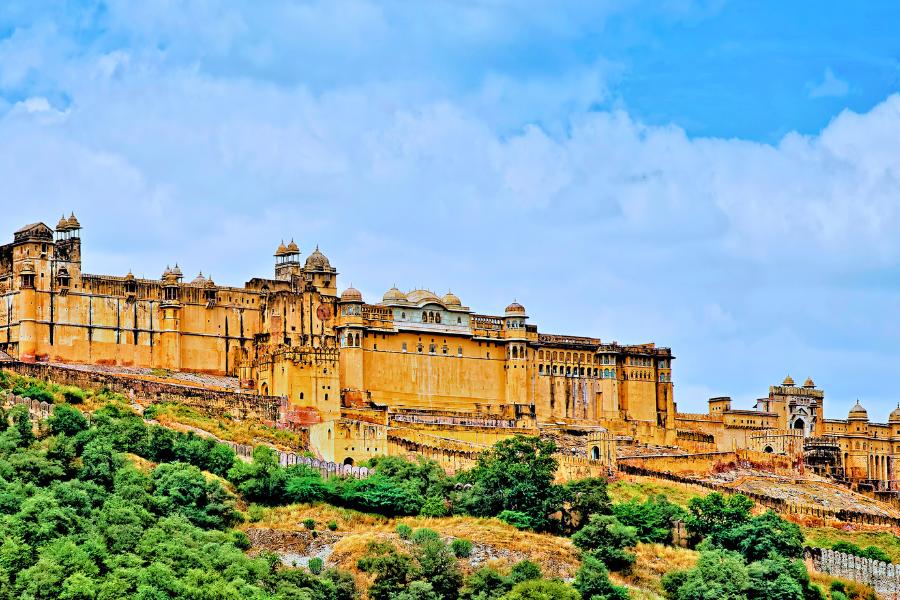
Amber Fort remains one of the city's most spectacular attractions, standing proudly on a hill overlooking Maota Lake. Visitors can admire its grand courtyards, mirror palace, artistic gateways, and impressive Rajput architecture. The City Palace, Hawa Mahal, Jantar Mantar, Nahargarh Fort, Jal Mahal, and Albert Hall Museum further enrich the sightseeing experience and showcase Jaipur's remarkable heritage.
Jaipur's bustling markets are equally captivating. Travelers can purchase handcrafted jewelry, gemstones, block-printed textiles, blue pottery, leather goods, miniature paintings, and traditional Rajasthani handicrafts. Local cuisine, including Dal Baati Churma, Laal Maas, Ghewar, and Pyaaz Kachori, offers an authentic taste of Rajasthan and completes the cultural experience for every visitor.
Perfect for First-Time Visitors
One reason why the Golden Triangle continues to dominate India's tourism industry is its suitability for first-time visitors. The itinerary introduces travelers to India's most famous monuments while remaining easy to navigate. International airports, world-class hotels, experienced guides, and reliable transportation make the journey smooth, enjoyable, and stress-free. Whether you're traveling solo, as a couple, or with family, every destination offers a unique perspective on India's cultural richness.
Visitors can experience India's architectural diversity, religious traditions, culinary delights, colorful festivals, bustling local markets, and warm hospitality within just a few days. Instead of traveling across multiple states, the route offers maximum variety with minimal travel time. This is one of the biggest reasons why the Golden Triangle Tour remains the preferred choice for travelers visiting India for the first time.
Rich Cultural Experiences
Beyond its magnificent monuments, the Golden Triangle offers countless opportunities to experience authentic Indian culture. Travelers can enjoy traditional Rajasthani folk dance performances in Jaipur, savor authentic Mughlai cuisine in Agra, sample Delhi's famous street food, participate in cooking classes, visit artisan workshops, and witness colorful festivals celebrated throughout the year.
Photography enthusiasts especially appreciate the diversity found across the three cities. From the marble elegance of the Taj Mahal and the towering Mughal forts to Jaipur's vibrant markets and Delhi's lively streets, every destination provides countless opportunities to capture unforgettable moments.
Comfortable Transportation and Excellent Infrastructure
One of the strongest reasons behind the popularity of this travel route is its excellent infrastructure. The Yamuna Expressway has significantly reduced travel time between Delhi and Agra, while modern highways connect Jaipur comfortably. Travelers also have access to high-speed trains such as the Gatimaan Express and Vande Bharat, making transportation both convenient and efficient.
Luxury travelers can choose premium hotels, chauffeur-driven private vehicles, and personalized guided tours, while budget-conscious visitors benefit from affordable accommodations and economical transportation options. This flexibility ensures that the Golden Triangle Tour is suitable for every type of traveler regardless of budget.
Best Time to Visit
The ideal season for exploring the Golden Triangle is between October and March, when temperatures remain pleasant for sightseeing and outdoor activities. Winter offers clear skies, comfortable weather, and ideal lighting for photography, particularly at the Taj Mahal during sunrise and sunset.
Summer, from April to June, can be hot, although fewer crowds make sightseeing more peaceful. During the monsoon season between July and September, lush greenery and dramatic skies add a unique charm to forts, palaces, and gardens throughout the route.
| Season | Weather | Recommendation |
|---|---|---|
| October – March | Pleasant and Cool | Best for sightseeing and photography |
| April – June | Hot | Less crowded attractions |
| July – September | Monsoon | Beautiful landscapes and greenery |
Suggested Itinerary
A classic six-day itinerary offers enough time to experience the highlights of each destination without feeling rushed. Travelers can customize the journey based on their interests, whether they prefer heritage sightseeing, shopping, photography, or cultural experiences.
- Day 1: Arrival and sightseeing in Delhi
- Day 2: Explore Delhi and drive to Agra
- Day 3: Visit the Taj Mahal and Agra Fort, then continue to Jaipur
- Day 4: Full-day sightseeing in Jaipur
- Day 5: Amber Fort, local markets, and cultural experiences
- Day 6: Return to Delhi or departure
Travelers with additional vacation time often extend their itinerary by visiting Ranthambore National Park, Udaipur, Pushkar, Jodhpur, or Varanasi, creating an even more immersive Indian travel experience.
Estimated Budget
| Category | Estimated Cost |
|---|---|
| Budget Tour | ₹18,000 – ₹30,000 |
| Mid-Range Tour | ₹35,000 – ₹65,000 |
| Luxury Tour | ₹80,000 – ₹2,00,000+ |
The total cost depends on accommodation, transportation, sightseeing inclusions, meal plans, and the season of travel. Many travelers choose comprehensive packages that include hotels, private transportation, guides, monument entry assistance, and airport transfers for added convenience.
Tips for Planning Your Golden Triangle Journey
Planning your itinerary in advance helps ensure a seamless travel experience. Reserve hotels and transportation early, especially during the peak tourist season. Comfortable walking shoes, sunscreen, sunglasses, reusable water bottles, and lightweight clothing are highly recommended throughout the trip.
Photography enthusiasts should plan sunrise visits to the Taj Mahal, golden-hour photography at Amber Fort, and early morning walks through Old Delhi's vibrant streets. Hiring experienced local guides also enhances the journey by providing fascinating historical insights and helping travelers discover lesser-known attractions along the route.
Conclusion
The Golden Triangle continues to be India's most famous travel route because it perfectly captures the country's incredible diversity within one unforgettable journey. From Delhi's historical landmarks and Agra's timeless Taj Mahal to Jaipur's magnificent forts and colorful markets, every destination contributes something unique to the overall experience.
Whether you're traveling alone, with family, or on a honeymoon, choosing a professionally organized Golden Triangle Tour ensures a comfortable and memorable vacation filled with culture, history, architecture, shopping, cuisine, and unforgettable experiences. It is no surprise that millions of travelers continue to choose this iconic route as their introduction to India.
Frequently Asked Questions
1. Why is it called the Golden Triangle Tour?
The route connects Delhi, Agra, and Jaipur, forming a triangular shape on the map. These three cities represent India's most iconic cultural and historical destinations.
2. How many days are ideal for the Golden Triangle Tour?
A 5 to 7-day itinerary is ideal for exploring all three cities comfortably, although longer tours allow travelers to include nearby destinations such as Ranthambore or Udaipur.
3. What is the best time to visit?
October through March is considered the best season because of pleasant weather, comfortable sightseeing conditions, and excellent photography opportunities.
4. Is the Golden Triangle suitable for first-time visitors?
Yes. It is widely regarded as the perfect introduction to India because it combines history, architecture, local culture, shopping, cuisine, and world-famous landmarks in one well-connected itinerary.
5. Can I customize the itinerary?
Absolutely. Most travel companies allow travelers to customize their Golden Triangle Tour by adding destinations such as Ranthambore, Udaipur, Jodhpur, Varanasi, Pushkar, or Kerala according to their interests, travel duration, and budget.